

Russia Is Facing Fuel Shortages For Aircraft
6- 12.06.2026, 18:38
- 5,140
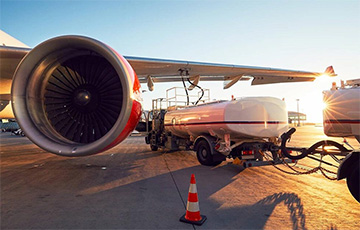
Following the attacks on the oil refinery, the shortage spread to the aviation sector.
Following the gasoline market crisis, which has affected more than 20 regions—from Crimea to Siberia—Russia is now facing problems with aviation fuel.
Several major airports issued notices to pilots (NOTAMs) regarding restrictions on aircraft refueling, as noted by the Telegram channel "Aviation Mezzanine". Limits on jet fuel have been imposed, in particular, by Makhachkala, Mineralnye Vody, Krasnodar, Astrakhan, and Nizhny Novgorod.
Refuelling is carried out in the amount necessary to complete the flight according to the flight plan. For example, Makhachkala Airport has set a limit of 8 tons of fuel for flights to Dubai, 3.5 tons for flights to Minsk, and 4 tons for flights to Tashkent. “Refuelling of charter flights is carried out under a separate agreement,” the notice states.
Problems with jet fuel on the Russian market began to emerge as early as late May following a record series of attacks on refineries, which resulted in 16 plants being hit over the course of a month and oil refining in Central Russia virtually coming to a halt.
According to Kommersant sources, in the last week of May, airlines received letters from fuel suppliers stating that it was impossible to refuel aircraft under existing contracts at airports in St. Petersburg, Yekaterinburg, Ufa, and several other cities with lower traffic volumes.
Exchange sales of jet fuel have practically ground to a halt: since May 4, according to the St. Petersburg Commodity and Raw Materials Exchange, no transactions for “jet fuel” have been concluded. At the same time, prices on the wholesale market have soared to a record 113,000 rubles per ton—a 52% increase compared to early March.
“We’re talking about a near-total lack of supply,” a source told Kommersant, describing the situation on the exchange. According to the source, for example, on June 1, only “three tanker trucks for the entire country” were sold.
In early June, an emergency meeting was held at the Ministry of Energy, after which fuel suppliers quickly delivered kerosene from regional airports to major cities where restrictions were being imposed. The government banned the export of jet fuel from June 1 to November 30 to “ensure stability in the domestic fuel market.”
Sources at Kommersant claim that the Ministry of Energy’s actions are linked to the threat of a jet fuel shortage in Russia.
Exactly how much aviation fuel is produced in the country is not reliably known. Since 2024, Rosstat has classified statistics on petroleum product output, citing the threat of speculation. The latest available data showed that refineries produce about 11 million tons of jet fuel per year. Export data is also opaque, as customs statistics are classified. According to estimates, 500,000–600,000 tons of kerosene were exported annually, plus another 300,000 tons under an intergovernmental agreement with Kazakhstan, estimates Freedom Finance analyst Vladimir Chernov.
For Russia, an export ban could serve as a protective measure that would prevent fuel from being withdrawn from the domestic market and creating a shortage there, Chernov believes.

Bank's name: Bank Millennium S.A.
Address: ul. Stanislawa Zaryna, 2A, 02-593, Warszawa
IBAN: PL97116022020000000216711123
SWIFT: BIGBPLPW
Name of the account holder: Fundacja “KARTA ‘97”
Purpose/title of payment: Donation for statuary aims
You can contact us by the e-mail charter97@gmail.com