

The General Staff Of The Armed Forces Of Ukraine Reported On The Destruction Of "high-value" Russian Targets
3- 13.07.2026, 15:28
- 2,674
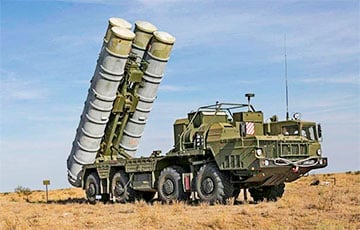
Tankers, dry cargo ships, and the S-400 system.
The Ukrainian Defense Forces struck seven tankers, five dry cargo ships, tugs, and a ferry in the waters of the Sea of Azov, as well as a "Nebo-U" radar station and an S-400 launcher. This was reported by the General Staff of the Armed Forces of Ukraine on Monday, July 13.
As noted by the Ukrainian military, the tankers are used to transport Russian oil and petroleum products in circumvention of international sanctions, while the ferries provide military logistics and cargo transportation for the Russian army. Dry cargo ships and tugs facilitate the transport of military cargo, equipment, and supplies, as well as the operation of the occupiers’ maritime logistics.
Defense forces struck the “Nebo-U” radar station and an S-400 anti-aircraft missile system launcher in the Kerch area, the General Staff reported.
An assessment of the damage to the Syzran Oil Refinery in the Samara Region of the Russian Federation confirmed damage to two primary oil refining units—AVT-5 and AVT-6.
Earlier, the commander of the Unmanned Systems Forces Robert Brovdi (“Madyar”) reported that the Defense Forces had struck 15 Russian vessels in the Sea of Azov with drones. Overnight, Ukrainian drones attacked seven tankers, five dry cargo ships, a ferry, and two tugboats. In just eight days, the Unmanned Systems Forces’ drones struck 105 vessels belonging to the aggressor state, the Russian Federation, in the waters of the Sea of Azov, “Madyar” reported.
On July 12, “Madyar” reported that 14 Russian vessels had been struck overnight: 10 tankers and four ferries. According to analysts at Defense Express, there may be about 120 Russian vessels in the waters of the Sea of Azov, most of which are dry cargo ships.
The ISW reported that the number of Russian ships in the Sea of Azov may have decreased by 55% between June 30 and July 11—from 267 to 120 vessels.
Reuters reported that following Ukrainian attacks, Russia temporarily suspended shipping through the Don-Azov Canal and across the Kerch Strait, which connects the Azov and Black Seas.

Bank's name: Bank Millennium S.A.
Address: ul. Stanislawa Zaryna, 2A, 02-593, Warszawa
IBAN: PL97116022020000000216711123
SWIFT: BIGBPLPW
Name of the account holder: Fundacja “KARTA ‘97”
Purpose/title of payment: Donation for statuary aims
You can contact us by the e-mail charter97@gmail.com