


Russians Are Withdrawing Cash From Banks En Masse
5- 17.07.2026, 19:11
- 1,766
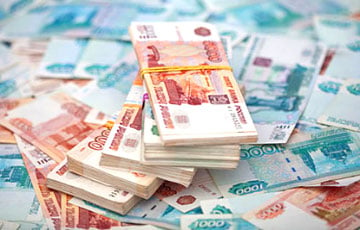
The outflow increased by another 513 billion rubles over two weeks.
The outflow of cash from the Russian banking system accelerated again in July. According to Interfax, citing data from the Central Bank, from July 1 through July 16, the amount of cash in circulation increased by another 513 billion rubles.
On average, banks were losing cash at a rate of about 250 billion rubles per week, 32 billion rubles per day, and more than 1 billion rubles per hour.
Compared to June, demand for cash doubled: back then, the outflow of cash for the entire month totaled 479 billion rubles—less than the amount lost in just two weeks of July. According to Interfax’s calculations, the cumulative total of cash in circulation since the beginning of February has jumped by 2.416 trillion rubles. The Central Bank recorded this year’s highest outflow—607.3 billion rubles in a single month—in April, but July may break that record.
This outflow of cash is accompanied by a worsening situation regarding loan repayments to banks, notes economist Igor Lipits. According to the Central Bank of the Russian Federation, as of April, the share of non-performing loans on bank balance sheets exceeded 11%. Among small businesses, one in six is behind on payments to banks. “The result is this: money is being withdrawn from banks, while the money invested in loans is not being repaid. This threatens the stability of the banks,” Lipsits points out.
As the outflow of funds into cash gains momentum, banks are increasingly turning to the Central Bank for funds. Since the beginning of July, the Central Bank has injected approximately 1 trillion rubles into the banking system through repo operations. The total amount owed by credit institutions to the Central Bank reached 5.243 trillion rubles as of July 17, and exceeded 6.5 trillion on July 15, according to its data.
Alexey Tretyakov, founder of Ari Capital, does not rule out the possibility that some banks may have faced a liquidity shortage. This is evidenced by the dynamics of interbank market rates, where banks borrow rubles from one another, he explains. At the end of last week, the RUSFAR rate—which banks use to conduct daily repo transactions totaling 4 trillion rubles—exceeded the Central Bank’s key rate, a development the market had not seen since the summer of 2025. The increased demand for rubles may be linked to a flight to cash, according to Yuri Kravchenko, an analyst at Veles Capital.
It is still too early to speak of a banking crisis, but a situation is emerging where “banks are beginning to become unstable,” according to Lipits: “If even one major bank wobbles, delays payments to the public, <�…> panic will set in, leading to a run on the banks; people will rush en masse to withdraw their money—and a terrible banking collapse will begin”.

Bank's name: Bank Millennium S.A.
Address: ul. Stanislawa Zaryna, 2A, 02-593, Warszawa
IBAN: PL97116022020000000216711123
SWIFT: BIGBPLPW
Name of the account holder: Fundacja “KARTA ‘97”
Purpose/title of payment: Donation for statuary aims
You can contact us by the e-mail charter97@gmail.com