

Sobolenko Could Reclaim The Top Spot In The WTA Rankings By The End Of The Year
- 13.10.2026, 10:05
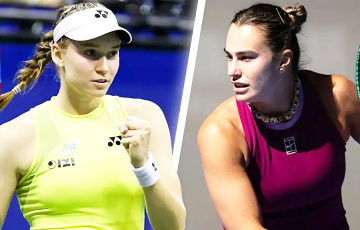
Photo: tribuna.com
Or maybe he'll lose the second one, too.
In the men's tour, the race for the top spot in the rankings is no longer up for grabs. The current leader, Italian Jannik Sinner, ended his season early, so German Alexander Zverev has secured the year-end No. 1 ranking for the first time in his career. Sinner currently has 11,000 points, while Zverev has 9,720. By the end of the year, the Italian will lose 3,050 points, according to "Tribuna".

In the WTA, the situation is only getting more intense, although after Elena Rybakina’s victory over Arina Sobolenko in the US Open final (6:4, 5:7, 6:2), it seemed that the Kazakhstani player would end the year on top. There were good reasons for this: in the decisive matches of the Grand Slam tournaments on hard courts—the Australian Open and the US Open—Sobolenko lost to Rybakina. The three tournaments the Belarusian won in 2026—including the WTA 1000 events in Indian Wells and Miami—do not change the bottom line: she lost in the most important finals. Moreover, Sobolenko herself admitted that she hadn’t performed as well as she’d hoped in the middle of the season. In addition, she fended off questions from journalists at press conferences who hinted that she was spending too much time off the court. Against this backdrop, Rybakina approached the end of the season with greater confidence, while Sobolenko had to not only fight for titles but also regain her confidence in matches against her main rival.
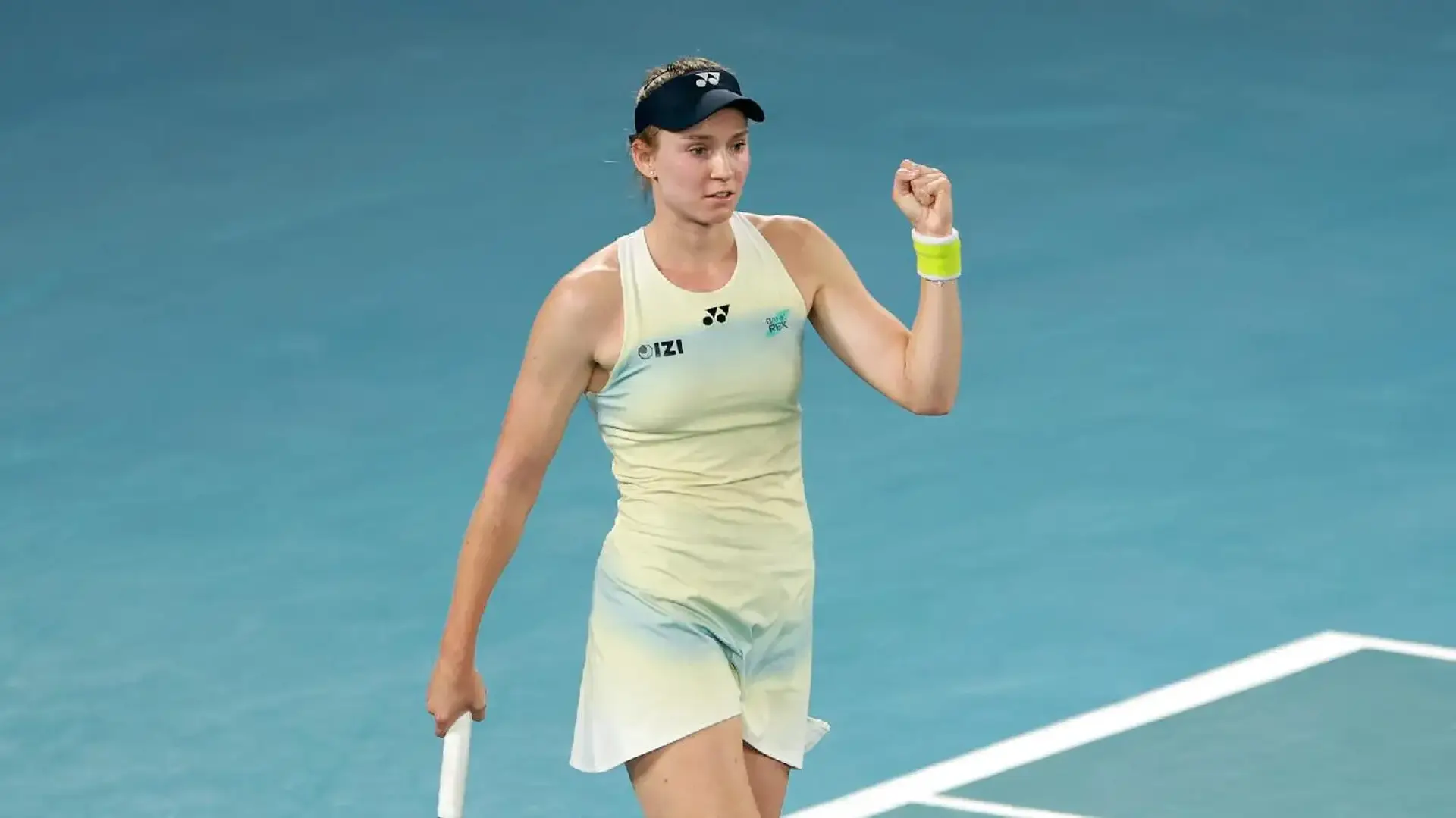
However, both players then had disappointing performances at the WTA-1000 tournament in Beijing. Rybakina unexpectedly lost in the second round to the world No. 118 Alina Charaeva of Armenia, 6–3, 4–6, 3–6. Sobolenko was eliminated in the third round after facing the Czech player Nikola Bartunkova (29) – 4-6, 3-6.
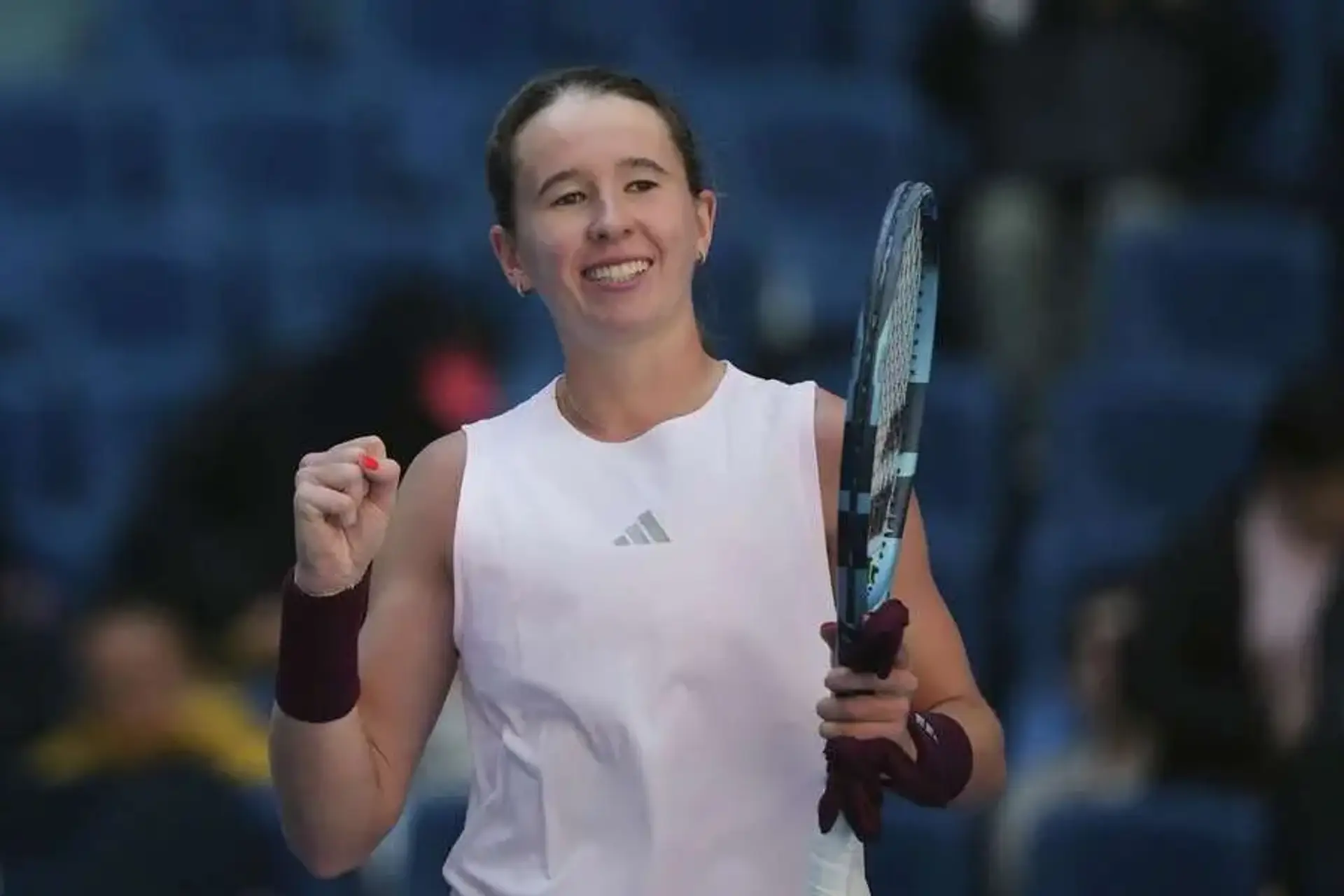
But Rybakina hit a rough patch: after that loss, she withdrew from the WTA-1000 tournament in Wuhan due to foot and shin problems, and as a result lost 215 points for last year’s quarterfinal appearance. The injury had been bothering her as early as August: in Cincinnati, at the same stage of the tournament, she was unable to finish her match against Iga Swiatek (1-4, retired).
Wuhan may well not be her only setback. Rybakina currently has 9,696 points, but last year she had an excellent run in Asia: she won the 500-point tournament in Ningbo (500 points) and reached the semifinals in Tokyo (another 195). The main event, however, awaits at the end of the season: at the 2025 WTA Finals, the Kazakhstani player defeated Sobolenko in the final (6:3, 7:6) and now must defend 1,500 points.
If Rybakina skips the Asian series, she will still arrive at the WTA Finals as the world No. 1, but with 9,001 points. If she also skips the WTA Finals itself, her total will drop to 7,501. That’s less than Sobolenko’s current 7,550, so the Belarusian has a real chance to reclaim the top spot.
If Rybakina does make it to the Finals, everything will depend on how many points she earns there and how Sobolenko performs in comparison. It’s important to understand how points expire: last year’s results are no longer counted toward the ranking. If a player qualifies for the tournament and defends her points, the new points replace the old ones. If she skips the tournament or performs worse than she did the previous year, her total is reduced by the difference between the old and new points. At the Finals, points are awarded as follows: 200 for a group-stage win, 400 for a semifinal win, and 500 for a final win.
To start with, let’s assume that Sobolenko simply defends her points from Wuhan: she reaches the semifinals and retains her 390 points. She will then have 7,550 points remaining. At the Year-End Championships, she is defending 1,000 points from last year’s final—that is, three group-stage wins and a semifinal victory. Any worse result will reduce her total points.
If Rybakina skips the Year-End Championships (she has 7,501 points), Sobolenko will need to repeat last year’s final: she’ll then have the same 7,550 points, which is 49 points more than Rybakina, and the Belarusian will reclaim first place. If she is eliminated in the semifinals, she’ll have 7,150, and Rybakina will remain in first place.
If Rybakina does play at the WTA Finals and is eliminated in the semifinals with three group-stage wins (8,101), defending her points from Uhan will not be enough for Sobolenko. Even a title at the Finals (+500 compared to last year’s result) would give the Belarusian only 8,050 points. She needs to earn more points in Uhan: for example, by winning the tournament (+610 compared to last year’s total) and reaching the WTA Finals final again—that would bring her total to 8,160. Reaching the final in Wuhan combined with a title at the WTA Finals (8,310) would also be enough.
In short, Sobolenko needs to perform as well as possible at the 1,000-point tournament in Wuhan and dominate at the WTA Finals. However, given her current form, this is no easy task. The Belarusian has been inconsistent this season on her preferred hard courts. In addition to losing two Grand Slams and falling short in Beijing, she has also suffered other early exits. At the 1,000-point tournament in Toronto, she was eliminated in the round of 16 by Russian Ekaterina Aleksandrova (7-6 (7-3), 4-6, 6-4), and in Cincinnati at the same stage by the Czech player Sara Beylek (6-7 (7-9), 4-6).
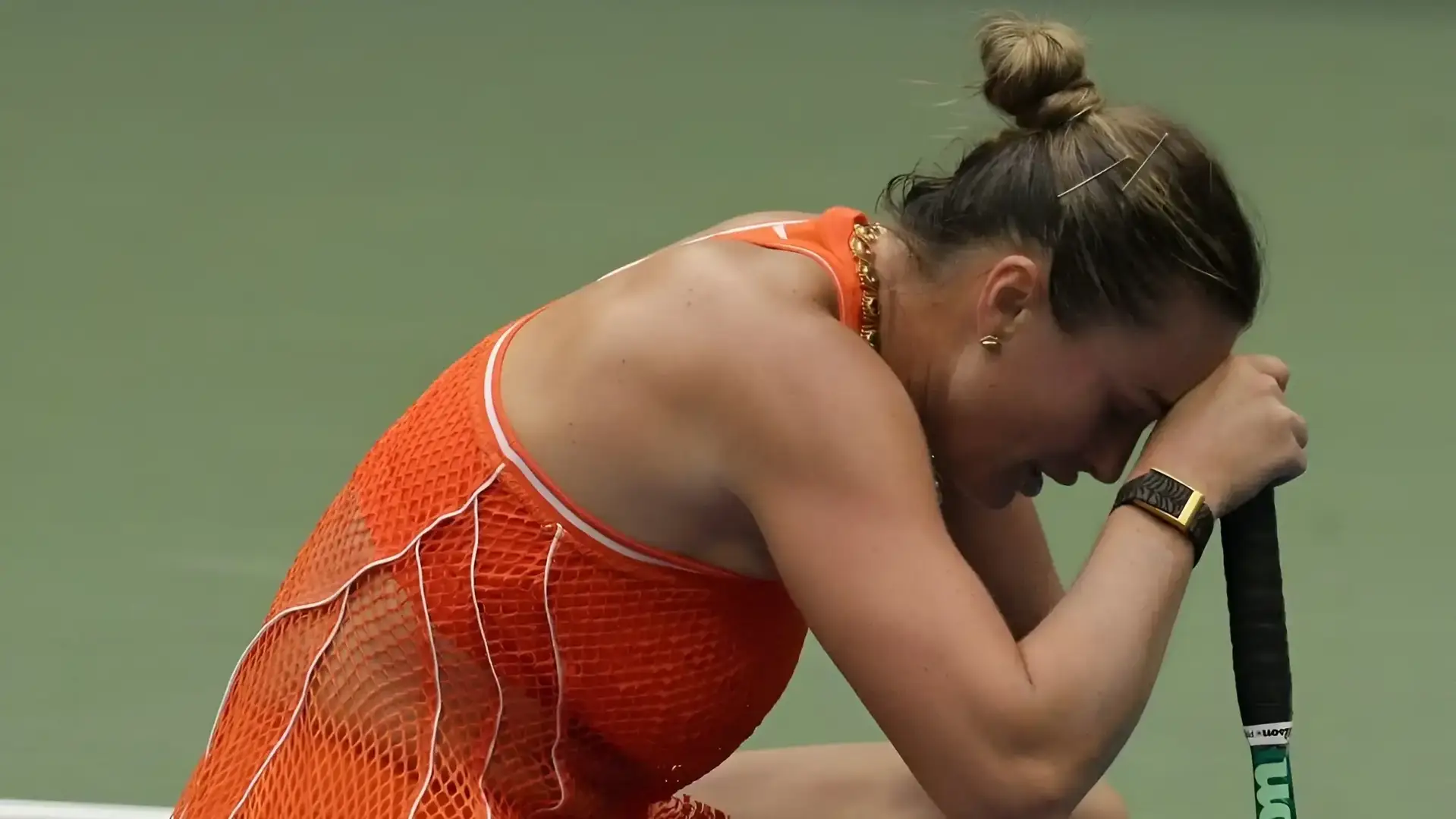
On the other hand, Wuhan has been a lucky tournament for her: Sobolenko has won it three times (2018, 2019, 2024). Before the tournament began, she herself said that the feeling is completely different on a court where she has achieved major victories.
If she performs poorly in Wuhan, she will still have the opportunity to earn points in Ningbo and Tokyo. The Belarusian didn’t play there last season, so she has nothing to defend. However, for the top-ranked players, results from a maximum of 18 tournaments are counted: mandatory events and the seven best results from the rest. And although new points can replace the worst result among those already counted, the Belarusian will still have an additional chance to slightly narrow the gap.
Thus, even if the Kazakhstani player misses the entire Asian series, the race for the top spot will remain open: given the current points gap, the leadership could be decided only at the WTA Finals. Moreover, even if her rival ends the season early, that won’t automatically make Sobolenko the world No. 1: she herself needs to defend her points, and without strong performances in Wuhan and at the Finals, there’s a risk she could lose her No. 2 ranking as well.
The Russian Mirra Andreeva is the main contender to overtake Sobolenko. On October 12, she became the world No. 3 for the first time in her career (6,371 points) after a successful run in Beijing, where she lost only in the final to China’s Zheng Qinwen (5-7, 4-6). She has almost nothing left to defend: in Wuhan, she has 65 points from her second-round exit last year, and she also reached the second round in Ningbo. Andreeva did not qualify for the Year-End Championships in singles—any result this year will be a plus for her.
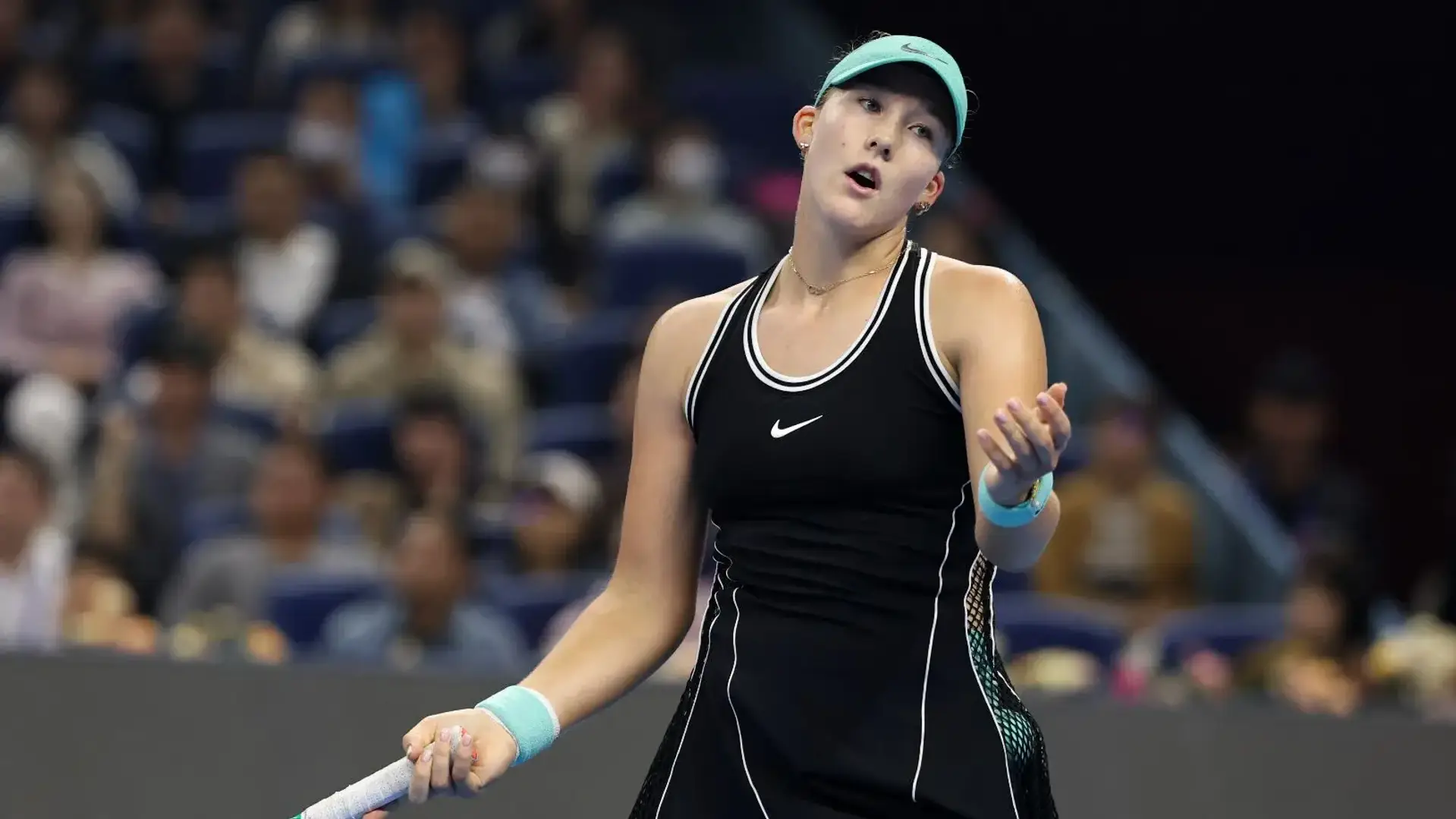
If Sobolenko repeats last year’s results, she will still have 7,550 points, while Andreeva needs to add about 1,200 to move into second place. For example, she could reach the final in Wuhan (+650) and earn another 600 or so at the Year-End Championships. A title at the WTA Finals would also allow her to overtake the Belarusian, but simply reaching the semifinals of the WTA Finals without earning points in the Asian series won’t do her any good. Incidentally, there’s also a slim chance for Jessica Pegula, who is currently ranked fourth, but she needs an almost perfect scenario: winning both Wuhan and the Finals.
Sobolenko will begin play in Wuhan on October 14. While the tournament may not reveal the full picture, it will at least offer a hint: is the Belarusian closing in on Rybakina, or is she planning to fend off Andreeva?

Bank's name: Bank Millennium S.A.
Address: ul. Stanislawa Zaryna, 2A, 02-593, Warszawa
IBAN: PL97116022020000000216711123
SWIFT: BIGBPLPW
Name of the account holder: Fundacja “KARTA ‘97”
Purpose/title of payment: Donation for statuary aims
You can contact us by the e-mail charter97@gmail.com