

India Has Increased Its Sales Of Ammunition To Ukraine's European Allies
- 27.10.2026, 20:17
- 1,196
18 times.
By launching a war against Ukraine, Vladimir Putin was not only forced to sell oil—which European countries had rejected—to India and China at huge discounts. He also allowed India to make a tidy profit from arms sales to Europe—a region that initially struggled to supply Ukraine with ammunition but later began actively rearming itself.
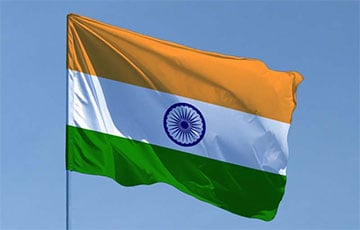
Since the start of the Russian invasion of Ukraine, Indian manufacturers have supplied Europe with ammunition—including artillery shells, mortar rounds, rocket fuel, and explosives—worth at least $872 million, reports Bloomberg citing data from India’s Ministry of Commerce and Industry obtained through Trade Data Monitor. Over the four-year period before the war began, such exports totaled just $49.2 million, meaning shipments increased 17.7-fold.
European countries were in dire need of ammunition. For example, in 2022, they decided to produce 1 million artillery shells for Ukraine by March 2023, but due to a lack of production capacity, they were only able to meet the target toward the end of the year. Meanwhile, Ukraine lagged behind Russia in artillery firepower by a factor of 3 to 5, and during particularly difficult periods or on certain sections of the front, the gap reached as high as 10 times. Therefore, the Indian shells came at just the right time for the Europeans. “By starting the war, Russia created market demand, to which Indian defense companies responded,” says political scientist Walter Ledwig, a specialist in South Asian defense policy at King’s College London.
“In a sense, this is a business decision that makes financial sense,” he adds. Prime Minister Narendra Modi is seeking to support domestic arms manufacturers to reduce dependence on imports, including those from Russia. Since Soviet times, Russia has been Delhi’s main arms supplier.
Three-quarters of India’s ammunition exports went to 13 countries in Eastern and Central Europe, which are located on NATO’s eastern flank and were the leading suppliers of weapons to Ukraine in the early years of the war. These include Bulgaria, Croatia, the Czech Republic, Poland, Romania, Slovakia, Slovenia, Estonia, Latvia, and Lithuania, as well as non-EU members Serbia, Bosnia and Herzegovina, and Albania. Their combined imports of ammunition increased more than tenfold, while in the rest of Europe they doubled.
Even if the Indian ammunition was not sent to Ukraine (bilateral agreements specify how weapons may be used), European countries could have kept it for themselves and provided Kyiv with weapons from their own stockpiles. This is what the U.S. did, for example, by purchasing ammunition from South Korea.
As a result, according to Trade Data Monitor, India now ranks second in supplies of ammunition and related materials to Central and Eastern European countries, trailing only South Korea. Four years ago, it ranked 28th.
In terms of explosives, it took first place in fiscal year 2026 (April 2025 through March 2026), supplying $45 million worth, whereas, for example, the United States exported $35 million worth. Until fiscal year 2023, India had not sold such products to these countries at all.

Bank's name: Bank Millennium S.A.
Address: ul. Stanislawa Zaryna, 2A, 02-593, Warszawa
IBAN: PL97116022020000000216711123
SWIFT: BIGBPLPW
Name of the account holder: Fundacja “KARTA ‘97”
Purpose/title of payment: Donation for statuary aims
You can contact us by the e-mail charter97@gmail.com