


New Polls On Democrats And Republicans Have Been Released Ahead Of The U.S. Congressional Elections
- 1.11.2026, 23:27
- 2,976
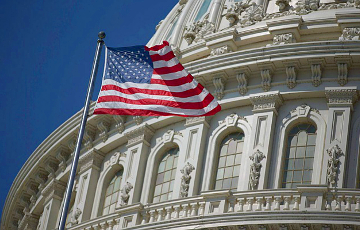
The midterm elections will begin in just two days.
As of November 1, 2026, two days before the U.S. congressional elections, the Democrats are the clear favorites in the race for the House of Representatives. They also hold an advantage in the Senate, though it is a slim one. Currently, both chambers are controlled by the Republicans.
The main question on November 3 is whether Donald Trump’s party will be able to hold on to at least the Senate.
House of Representatives. A majority requires 218 seats out of 435. According to a consolidated assessment by The Wall Street Journal, based on ratings from three analytical centers, the Democrats could win 224 seats. Inside Elections expects a larger shift—a gain of 20–30 seats for the Democrats.
The trends of recent days are also significant. On October 30, the Cook Political Report revised its assessment of 12 more districts in favor of the Democrats. Analysts disagree primarily on just how large their majority will be.
Senate. Republicans hold 53 seats, while Democrats, along with aligned independent senators, hold 47. In the event of a 50-50 tie, Vice President J.D. Vance holds the tie-breaking vote, so the Democrats need a net gain of four seats. Inside Elections predicts they will gain 4–6 seats. The Cook Political Report is more cautious and calls the Democrats only slight favorites.
Where the Senate’s fate will be decided. In seven states, Cook sees no clear favorite. The math is simple. If the Democrats take North Carolina and hold all their seats, including Michigan, they’ll need to win just three more Republican seats.
In a Reuters/Ipsos poll conducted October 22–26, Democrats led Republicans by 9 percentage points among likely voters when asked which party’s candidate they would support for the House of Representatives. The Silver Bulletin’s average of several polls as of October 30 showed nearly the same figure—8.9 points—slightly below the recent peak of 9.2.
In other words, as the campaign winds down, Democrats maintain a wide national lead, although it has remained virtually unchanged in recent days. For the Senate, this figure is less indicative, as several decisive races are taking place in states where Trump won by a wide margin.
What’s behind the Democrats’ lead? One of the main themes of the campaign is the cost of living. In an October ABC News/The Washington Post/Ipsos poll on this issue, 38% of Americans trusted the Democrats more on this issue, compared to 24% who trusted the Republicans. There is also a political motive.
In the same poll, 59% said they would prefer a Democratic-controlled Congress to serve as a check on Trump, while 35% favored a Republican majority to support his agenda. It is precisely the shift of the House of Representatives to the opposition that now appears to be the most likely outcome of the election.

Bank's name: Bank Millennium S.A.
Address: ul. Stanislawa Zaryna, 2A, 02-593, Warszawa
IBAN: PL97116022020000000216711123
SWIFT: BIGBPLPW
Name of the account holder: Fundacja “KARTA ‘97”
Purpose/title of payment: Donation for statuary aims
You can contact us by the e-mail charter97@gmail.com