

Following The Diesel Deal Between Trump And Putin, The Fuel Shortage Worsened In Russia Itself
1- 2.11.2026, 23:07
St. Petersburg has already faced a shortage of diesel fuel.
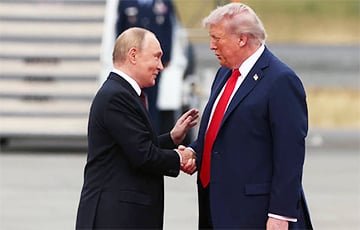
The diesel deal between Vladimir Putin and Donald Trump, under which more than 2 million metric tons of Russian fuel are set to enter the U.S. and global markets, has resulted in a shortage of diesel fuel in northwestern Russia, according to The Moscow Times.
In St. Petersburg, the availability of diesel at gas stations has dropped sharply: it is now available at less than 40% of gas stations, according to data from the “GdeBenz” service, which was analyzed by economist Janis Kluge.
In just over a week, diesel has disappeared from nearly half of the gas stations that were selling it at the end of October: at that time, availability stood at about 70%. As a result, the diesel shortage has come very close to the peaks of the fuel crisis in late July, when restrictions were imposed on gas stations in St. Petersburg and diesel availability fell to 40% or less at gas stations.
Private gas stations in the Leningrad Region have begun imposing strict limits—up to 30–50 liters per vehicle, according to Rosbalt. Forty-minute lines formed in front of gas stations in the city. “Overall, Russia produces enough diesel,” Kluge points out. The expert speculates that exports to the U.S. were likely rushed out of the Baltic port of Primorsk, near St. Petersburg, leading to “logistical problems.”
A diesel shortage also arose in the Sverdlovsk Region, where restrictions were imposed at some gas stations, and Tatneft stations stopped sales entirely. On October 26, the governor of the Tambov Region Evgeny Pervyshov reported “disruptions in diesel fuel supplies.” According to the operational headquarters, diesel was unavailable at 29 of the region’s 214 gas stations.
Trump announced the “diesel deal” with Putin on October 9. According to him, Russia agreed to supply more than 300,000 metric tons of fuel to the U.S. and global markets in October, another 500,000 metric tons in November, and 1 million metric tons immediately thereafter. The Kremlin called the decision “mutually beneficial” and “in the interests of global markets.” Trump, meanwhile, declared that “the deal is very good” and thanked Putin for it. “Our country will receive a very large amount of fuel,” Trump said.
According to Greenpeace estimates, seven tankers are involved in the shipments of Russian diesel, including some that are subject to sanctions. But despite the large-scale PR campaign and the proposed discounts, it has not yet been possible to find buyers for Russian fuel in the U.S. According to The Washington Times, American companies fear legal consequences from deals involving Russian diesel, the import of which has been banned by sanctions since 2022. Ultimately, the fuel may have to be shipped to Brazil, analysts at Rapidian Energy wrote.
The U.S. has no need for Russian diesel—the United States is itself a net exporter of diesel fuel, meaning it produces more than it consumes and sells the surplus, Kluge notes. In reality, Moscow and Washington are competitors in the global diesel market, and Trump’s deal with Putin could turn out to be “bad” for American companies, the expert believes.

Bank's name: Bank Millennium S.A.
Address: ul. Stanislawa Zaryna, 2A, 02-593, Warszawa
IBAN: PL97116022020000000216711123
SWIFT: BIGBPLPW
Name of the account holder: Fundacja “KARTA ‘97”
Purpose/title of payment: Donation for statuary aims
You can contact us by the e-mail charter97@gmail.com