

A Gasoline Shortage Has Affected 25 Russian Regions
25- 10.06.2026, 20:12
- 12,338
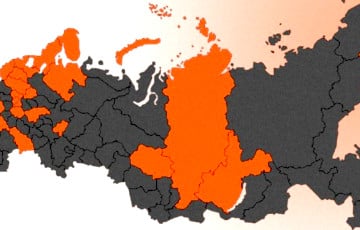
The Ukrainian Armed Forces are stepping up attacks on the occupiers' oil infrastructure.
At least 25 Russian regions (excluding the occupied territories of Ukraine) have faced gasoline shortages and disruptions in fuel supplies amid attacks by the Ukrainian Armed Forces on oil infrastructure, according to estimates by the publication "7×7". Less than a week ago, on June 4, the number of such regions stood at 15, and restrictions were also in place in six regions seized from Ukraine—Crimea, Sevastopol, and the Luhansk, Donetsk, Kherson, and Zaporizhzhia regions.
One of the main causes of the crisis was the strikes on oil refineries. According to Bloomberg, from January through May 2026, Russian refineries were subjected to 38 attacks, with 16 of them occurring in May alone—the highest number since the war began. According to OilX data, refinery utilization has fallen by 14% since the start of the year and remains about 20% below pre-war levels.
Regional authorities are responding to the shortage in different ways. Acting Governor of the Belgorod Region Alexander Shuvaev acknowledged the existence of the problem, while the head of the Krasnodar Region, Veniamin Kondratyev, called the situation “artificial hype.” Residents, however, insist otherwise. Under Kondratyev’s post on the Telegram channel “Tupodar. Krasnodar,” users leave comments like “A meme from the creators of the purest sand in Anapa” and “I’d rather piss in your eyes.” And on the “Bel.Ru | Belgorod News” channel, under the post about Shuvaev’s remarks, most of the reactions are clown emojis and laughing faces.
In the Krasnodar Region, gas stations have already begun to close due to the fuel crisis. And in annexed Crimea, gasoline prices have skyrocketed: as of June 10, a liter of AI-92 cost about 82 rubles (for comparison, in Moscow—about 69), AI-95—almost 90 rubles versus about 75 in the Russian capital. Resellers were offering fuel for 130–150 rubles per liter—50% higher than official Crimean prices.
Against this backdrop, on June 8, the Russian Ministry of Energy announced the creation of an industry task force to ensure the stable operation of the fuel and energy complex amid “an increase in enemy air attacks.”

Bank's name: Bank Millennium S.A.
Address: ul. Stanislawa Zaryna, 2A, 02-593, Warszawa
IBAN: PL97116022020000000216711123
SWIFT: BIGBPLPW
Name of the account holder: Fundacja “KARTA ‘97”
Purpose/title of payment: Donation for statuary aims
You can contact us by the e-mail charter97@gmail.com