

The Kremlin Has Identified Those "responsible" For The Fuel Crisis
4- 16.06.2026, 16:21
- 5,122
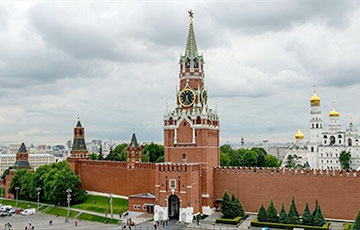
Russian authorities have blamed traders for the gasoline shortage.
The Federal Antimonopoly Service reported that it had uncovered a “cartel agreement” in the Russian fuel market, which—following attacks on oil refineries—has faced gasoline shortages, disruptions in the supply of diesel and jet fuel, and a rise in wholesale prices by tens of percent, according to The Moscow Times.
Three companies—Solid Commodity Markets JSC, "Agrotorg Yug" LLC, and "Hansel" LLC — “engaged in activities during exchange trading that led to the purchase of the entire volume of fuel scheduled for sale on the exchange,” which in turn “limited the ability of bona fide market participants to purchase petroleum products,” the FAS press service stated on Tuesday.
A case has been opened against the traders because their actions “show signs of an anticompetitive agreement,” the agency asserts. The companies’ goal was “to generate particularly large profits through the regular resale of gasoline and diesel fuel at inflated prices,” according to the FAS statement.
According to data from the St. Petersburg Commodity and Raw Materials Exchange, since the beginning of the year, the wholesale price of AI-92 gasoline has risen by 30%, and AI-95 by 33%, to 70,200 and 77,000 rubles per ton, respectively. Diesel fuel has risen in price by 40%, to a record 75,900 rubles per ton. Exchange trading in jet fuel has virtually come to a halt since mid-May, while on the over-the-counter market, wholesale prices jumped 40% in a month and reached a historic high of 113,000 rubles per ton.
Due to attacks on oil refineries—which reached a record high in May since the start of the war—Russia lost a third of its oil refining capacity, according to estimates by Energy Intelligence. After six refineries shut down last month and two more in June, the oil refining industry’s throughput fell below 4 million barrels per day—the lowest level since 2005.

Bank's name: Bank Millennium S.A.
Address: ul. Stanislawa Zaryna, 2A, 02-593, Warszawa
IBAN: PL97116022020000000216711123
SWIFT: BIGBPLPW
Name of the account holder: Fundacja “KARTA ‘97”
Purpose/title of payment: Donation for statuary aims
You can contact us by the e-mail charter97@gmail.com