
At The Occupied Zaporizhzhia Nuclear Power Plant, There Are Enough Diesel Fuel Reserves To Last 11 Days
5- 11.07.2026, 16:45
- 4,128
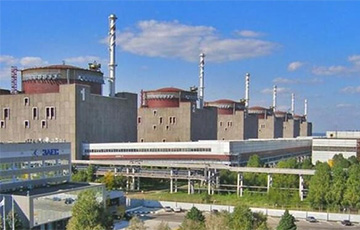
The fuel crisis has reached Europe's largest nuclear power plant.
Diesel fuel reserves at the Zaporizhzhia Nuclear Power Plant, which has been seized by Russian troops, amount to about 50% of the required volume—enough for approximately 11 days of autonomous operation, said Rosatom Director General Alexey Likhachev following consultations with an IAEA delegation in Kaliningrad. He emphasized that the tanks must be filled to capacity to create a substantial reserve in case the plant has to operate for an extended period without an external power supply. According to Likhachev, the plant has already switched to autonomous power 21 times, and each time the equipment and personnel performed without a hitch. “Therefore, the issue of the plant’s energy stability and energy independence is the second priority on our agenda, and we are grateful for such an effective response from the Director General and the IAEA delegation,” — "Interfax" quotes the head of Rosatom as saying.
Difficulties in supplying the Zaporizhzhia Nuclear Power Plant with diesel fuel arose against the backdrop of a nationwide fuel crisis. According to Reuters, diesel production in Russia plummeted by nearly 40% due to Ukrainian drone strikes on oil refineries, and oil refining volumes, according to Energy Intelligence estimates, fell to a 20-year low. Authorities have officially imposed restrictions on fuel sales in more than 40 regions; however, according to The Insider, various restrictions (filling limits, bans on sales to jerry cans, etc.) are in effect in virtually all regions of Russia and in the occupied territories of Ukraine, where the problems are exacerbated by Ukrainian Armed Forces strikes on Russian logistics.
Before the war, the Zaporizhzhia Nuclear Power Plant in Energodar provided about one-fifth of all Ukrainian electricity and was the largest nuclear power plant in Europe. In March 2022, it was seized by Russian troops, and in September of that same year, all six power units were placed in cold shutdown mode.

Bank's name: Bank Millennium S.A.
Address: ul. Stanislawa Zaryna, 2A, 02-593, Warszawa
IBAN: PL97116022020000000216711123
SWIFT: BIGBPLPW
Name of the account holder: Fundacja “KARTA ‘97”
Purpose/title of payment: Donation for statuary aims
You can contact us by the e-mail charter97@gmail.com