

The Telegraph: Putin Realizes He's Losing
2- 3.07.2026, 9:31
- 3,792
The Kremlin has two options left.
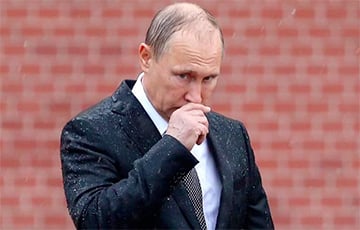
Russian dictator Vladimir Putin has publicly acknowledged for the first time that strikes by Ukrainian long-range drones and missiles on targets deep inside Russia are causing serious concern. At the same time, the Kremlin leader used the word “war” for the first time instead of the official term “special military operation,” which British observers view as a notable shift in rhetoric.
Military analyst Hamish de Bretton-Gordon in an article for The Telegraph believes that, given the current situation, the Kremlin has only two possible scenarios left—further escalation or a shift toward negotiations.
According to the author, Ukraine’s campaign of strikes against Russian territory is gradually increasing pressure on Moscow. Attacks on oil infrastructure are particularly significant, as revenues from oil and gas exports remain one of the main sources of funding for the Russian budget. Residents of the Russian Federation are already beginning to feel the consequences of these strikes: in some regions, fuel shortages, rising prices, and increased economic uncertainty are being reported.
Citing estimates from Western intelligence agencies, the expert notes that the Russian military is losing about 30,000 troops each month, while it is becoming increasingly difficult to replace these losses. In this situation, the Kremlin may be forced to carry out a larger-scale mobilization.
“The Russian elite has so far been content to let the burden of combat fall on the shoulders of ethnic minorities, prisoners, and contract soldiers. It’s a completely different matter if their own sons and daughters are called up for service. If Putin loses the support of the Russian urban middle class and the influential elite, his position could quickly become precarious,” de Bretton-Gordon emphasized.
In his assessment, Russia is approaching the so-called “tipping point” of the war, when the ability to continue offensive operations begins to rapidly diminish.
The analyst believes that the Kremlin has only two options left.
“Putin effectively has two options: escalation or negotiations. Nighttime attacks on residential areas in Kyiv may mark the beginning of this escalation. Many of his most ardent supporters on Telegram continue to demand the use of nuclear weapons. They have been making these arguments for many years. However, Putin understands the reality of the situation. The use of even a single nuclear weapon would almost certainly trigger a massive response from the West,” the expert writes.
According to him, NATO’s military capabilities are sufficient to deal an extremely devastating blow to the Russian army. This issue is expected to be one of the topics of discussion at the Alliance’s upcoming summit.
“The only option left is to negotiate,” concluded de Bretton-Gordon.
The author of the article also notes that Moscow’s negotiating position today appears weaker than it was a year ago. In his view, Ukraine has once again managed to seize the strategic initiative.
“Peace may now represent the best opportunity for Putin to preserve both his regime and his personal safety. However, his negotiating position is significantly weaker than it was a year ago, when President Zelenskyy was under enormous pressure and future support for Ukraine seemed uncertain. Today, Ukraine has regained the strategic initiative. Crimea itself can no longer be considered safe, and Kyiv may see no reason to agree to a settlement that would leave a significant portion of Ukrainian territory under Russian occupation,” the analyst noted.
At the same time, the author believes that the option of a “frozen conflict”—which the Kremlin is seeking—is becoming increasingly unrealistic if Ukrainian forces continue to build on their successes and the Russian army’s capabilities continue to diminish.
In conclusion, de Bretton-Gordon called on Western nations to maintain high levels of defense spending and continue supporting Ukraine. In his view, the United States’ stance could play a decisive role.
“If Moscow becomes convinced of Washington’s unwavering support for Ukraine and that any expectations of a favorable attitude toward Russia on the part of the future U.S. administration are unfounded, the pressure on Putin to seriously engage in negotiations will increase dramatically,” the military expert concluded.

Bank's name: Bank Millennium S.A.
Address: ul. Stanislawa Zaryna, 2A, 02-593, Warszawa
IBAN: PL97116022020000000216711123
SWIFT: BIGBPLPW
Name of the account holder: Fundacja “KARTA ‘97”
Purpose/title of payment: Donation for statuary aims
You can contact us by the e-mail charter97@gmail.com