
A Cuban Dance Instructor From Russia Is Organizing Acts Of Sabotage In The EU
- 14.09.2026, 8:19

Investigation.
In 2024, a Cuban citizen orchestrated a series of arson attacks in four EU countries while acting on behalf of Russian intelligence agencies. DW was able to establish that he was connected to a Latin American dance studio in Russia.
On social media, this man called himself “Adrian” or “Dios” (which means “God” in Spanish). In 2024, accounts linked to him posted job listings on Telegram. “Photographer job,” read one of them, written in Russian in a chat dedicated to job opportunities in Poland. “Those wishing to apply: please send your resume, phone number, and passport information,” stated another ad posted in a group for Cubans living in Russia. “We are looking for people with military experience in surveillance, intelligence, logistics, and tactical maneuvering,” stated yet another ad in Spanish in a group for Latin Americans; the same post promised a payment of $1,500 plus a bonus for each operation completed.
As revealed by an investigation conducted by DW and three other European broadcasters, Dios recruited people to carry out sabotage operations on behalf of Russia in at least four EU countries. Most of the people he recruited were from Spanish-speaking countries.
Over the course of several months, DW and its partners conducted dozens of interviews with intelligence officials and people close to the suspects. By cross-referencing confidential court documents, official statements, social media posts, and leaked data, journalists uncovered Dios’s identity and pieced together how he built a network of saboteurs to orchestrate arson attacks across Europe. However, not all of them managed to carry out their assigned tasks.
Recruiting Vulnerable People
One of those recruited by Dios was Luis Alfonso Murillo Diosa, who was 34 years old at the time.
Murillo, a native of Caicedo—a provincial town in western Colombia known for its mountainous landscapes and farmland—grew up in a family of coffee farmers. However, according to a person close to the family, several years of poor harvests left the farm in debt.
Murillo served six years in the Colombian Army. According to court documents, he left the service in 2015. Afterward, like many former soldiers, he changed jobs frequently: he took barista courses, worked part-time as a bodyguard, and helped run the family’s coffee business.
In early 2024, Murillo decided to join the Ukrainian army, where foreign fighters can earn several thousand euros a month by participating in combat operations on the front lines, according to court documents.
In search of information on how to get to the front lines, he joined a Facebook group for Latin Americans wishing to fight in Ukraine. It was then that a man going by the nickname Dios contacted him.
“Vulnerable people are often targeted,” says Daniela Richterova, a researcher in the field of intelligence at King’s College London. “Vulnerable people who need money; they’re willing to set out on a journey for the sake of earning a living and don’t ask unnecessary questions about exactly what they’re supposed to do.”
Arrested for Attempted Sabotage
According to confidential court documents reviewed by DW, in a private Facebook message, Dios identified himself as a member of a special unit and offered Murillo the chance to carry out “special missions” in Europe instead of traveling to Ukraine.
Murillo accepted the offer, and Dios arranged everything remotely: plane tickets, lodging, and ground transportation. They never met in person.
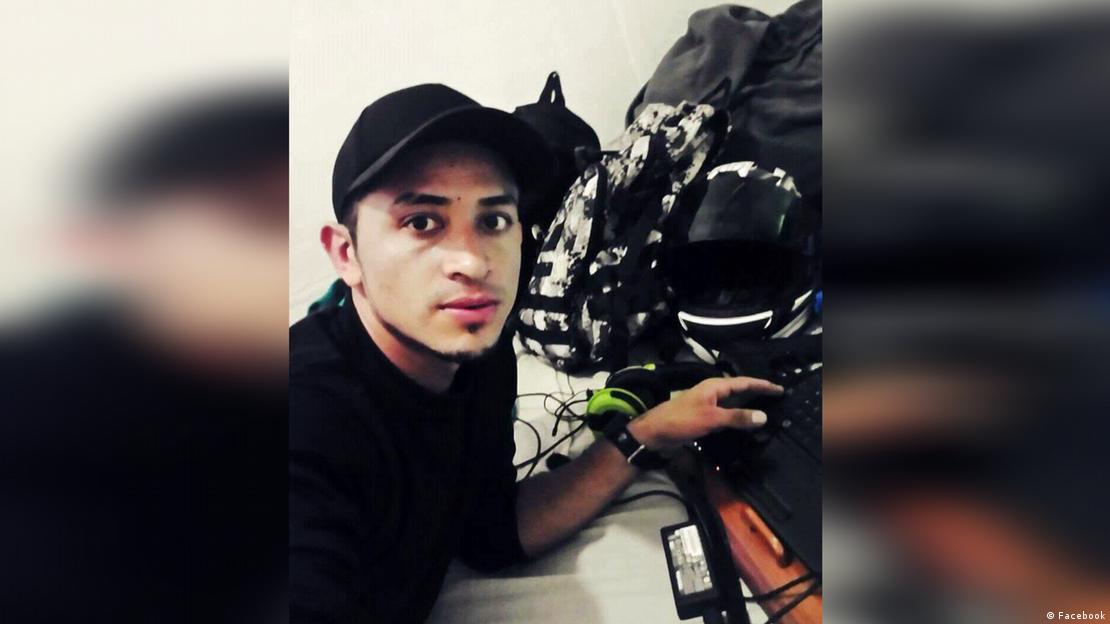
When Murillo arrived in Bucharest in July 2024, Dios sent him a satellite image marking a waste processing plant and an oil well. Murillo was supposed to take photos and videos of these sites and subsequently set them on fire. However, he was detained at night near the waste processing plant after he had already taken the photos. According to the case file, Murillo told investigators that he had no intention of setting the fire. He explained that he was trying to get to Europe so he could then travel to Ukraine, and that he did not know who he was working for.
In 2025, Murillo was sentenced to six years in prison for attempted sabotage.
Russian “one-day agents”
DW and its partner publications have confirmed that Murillo was one of at least a dozen people recruited by Dios to carry out acts of sabotage across Europe. Such recruits are often referred to as “one-day agents” (or “disposable agents”); they are frequently hired online, and sometimes they do not even know the identities of their employers or the true objectives of the missions assigned to them.
According to conflict expert Keith Giles, the Kremlin has increasingly resorted to the services of such agents after EU governments, in response to Russia’s full-scale invasion of Ukraine in 2022, expelled numerous Russian diplomats suspected of espionage and disinformation.
“This created a gap in Russia’s capabilities, and it took time to find a new way to recruit random people to carry out attacks that sometimes appear completely chaotic,” noted Giles, the author of several books on the Russian military.
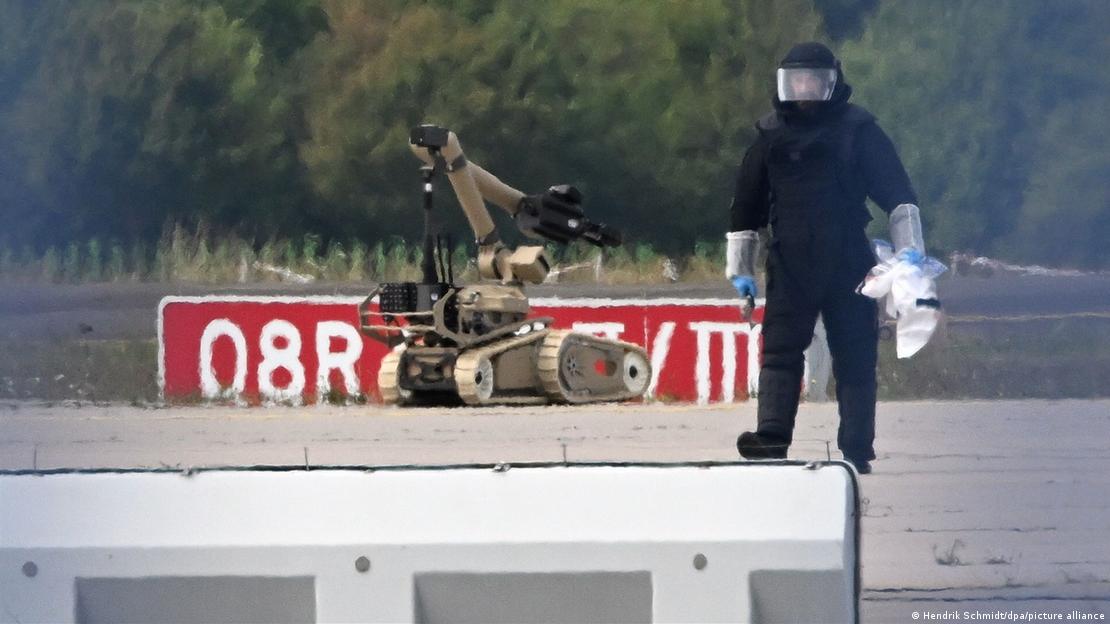
In 2024 alone, “one-off operatives” set fire to a shopping center in Poland and an IKEA store in Lithuania, and sent packages containing incendiary devices that ignited in logistics centers in several countries. According to German authorities, in August such “disposable operatives” directed a drone loaded with explosives at a Ukrainian cargo plane in Leipzig.
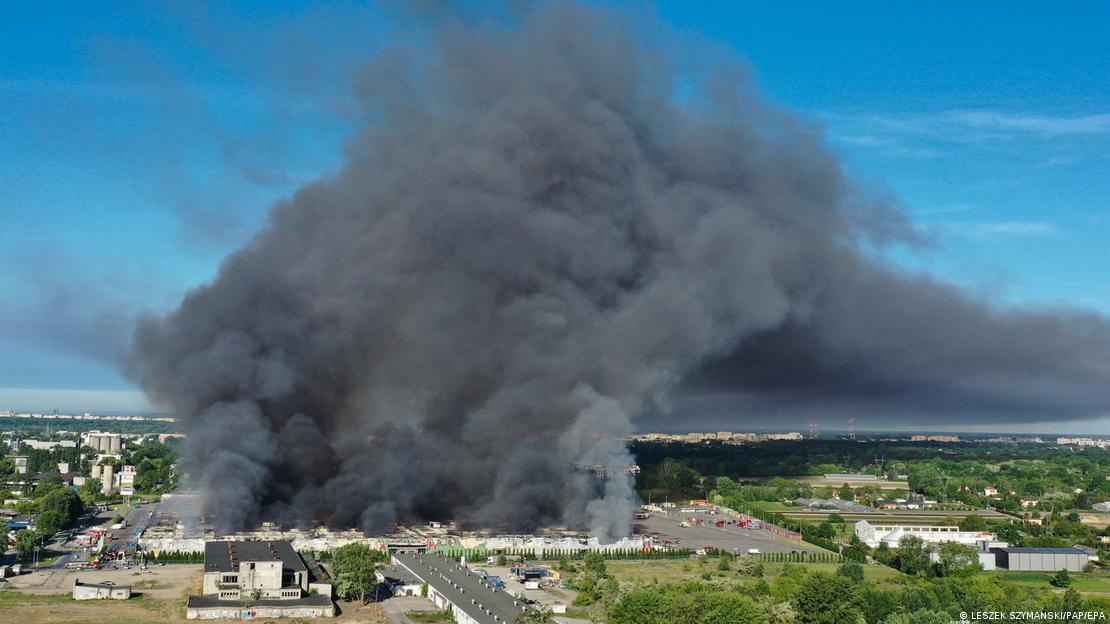
People suspected of such attacks are often not Russian and have no known ties to Russian intelligence agencies. Among those who have been prosecuted were Ukrainian refugees, petty criminals, and local youths looking to make a quick buck.
“Russia doesn’t need to go out of its way to cover its tracks, since exposure carries no negative consequences for it,” Giles noted. “And, of course, this reinforces the image of an all-powerful Russia capable of inflicting damage anywhere.”
Russian Arson Attacks with a Cuban Connection
DW confirmed that over a four-month period in 2024, someone using the pseudonym “Dios” (Dios) instructed operatives he had recruited to set fire to building materials warehouses in Poland, a bus depot in the Czech Republic, a waste processing plant in Romania, as well as Lithuanian-made equipment destined for Ukraine.
The Lithuanian prosecutor’s office was the only agency to publicly link this series of arson attacks to Russian military intelligence. In addition, law enforcement agencies issued an international arrest warrant for a Cuban citizen residing in Russia.
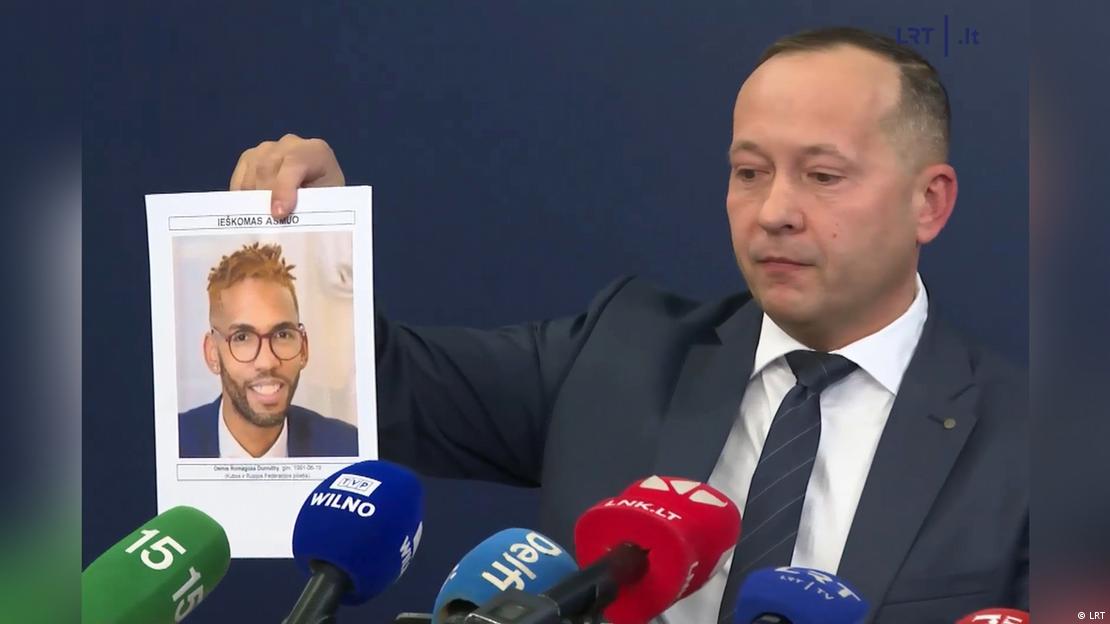
He teaches Latin American dances in Petrozavodsk in northern Russia and is listed as the contact person on social media for the local dance studio Made in Cuba. In numerous videos of his classes, he demonstrates salsa, bachata, and kizomba moves.
In 2022, Romagosa married a Russian woman and subsequently obtained Russian citizenship. In wedding photos found by DW on social media, the couple is pictured next to a grand piano; in other photos, they are shown with their two children.
DW was unable to determine when or under what circumstances he began working for Russian intelligence agencies. According to leaked information, Romagosa may have faced financial difficulties. In 2023, he took out loans from several lenders; on one application form, he listed a supermarket chain as his employer.
A few months later, Romagosa joined a number of Facebook groups for people from Latin America who were looking for work in Poland or wanted to go fight for Ukraine. Around the same time, Dios began posting job listings on Telegram.
Russian sabotage operations continue
It is unclear whether Dios continued to recruit people or organize new attacks after September 2024. However, the ongoing campaign of Russian sabotage across Europe shows no signs of stopping.
In August alone, two suspects were arrested in Latvia for arson at a facility in Tallinn that supplies Ukraine with unmanned military vehicles, and Poland reported fires at two other facilities that manufacture components for drones and helicopters. Authorities in both countries suspect that Russia is behind these actions.

“It seems there are still people who are either naive enough or driven by greed and motivated by financial rewards for such activities,” noted Richterova, who specializes in the study of Russian intelligence.
At least nine one-time agents recruited by Romagosa have been detained. Two of them are already serving prison sentences ranging from six to eight years for attempting to carry out sabotage or a terrorist attack. The rest are currently awaiting trial.
Meanwhile, European authorities continue to search for Romagosa, who may still be in Russia. In April, the Made in Cuba studio published a video showing him teaching a salsa class. Romagosa stands facing a mirror and leads a group of women who repeat his movements and commands. “That’s just who I am. In heaven, I’m the boss,” goes the Cuban song playing in the background.
Around the same time that the Latin dance studio posted this video, Romagosa joined at least two more Facebook groups for Latin Americans looking for work in Poland.

Bank's name: Bank Millennium S.A.
Address: ul. Stanislawa Zaryna, 2A, 02-593, Warszawa
IBAN: PL97116022020000000216711123
SWIFT: BIGBPLPW
Name of the account holder: Fundacja “KARTA ‘97”
Purpose/title of payment: Donation for statuary aims
You can contact us by the e-mail charter97@gmail.com