

Hungary To Declassify Up To 60,000 Names Of Informants For The Communist Secret Police
3- 3.11.2026, 9:19
- 1,706
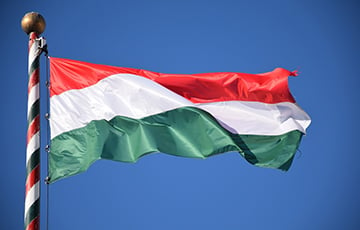
Opening the archives is one of Madyar's campaign promises.
On November 4, a database containing information on approximately 50,000 to 60,000 people linked to the activities of the secret services during the communist era—including secret informants, state security officers, and those who were targeted for recruitment—will be made publicly available in Hungary. This is reported by The Guardian.
The release of these archives may be a painful revelation for many Hungarian families. From 1945 to 1989, the secret police monitored their own citizens through an extensive network of informants. Some voluntarily provided information about acquaintances, neighbors, and relatives, while others were coerced into cooperating through threats, blackmail, or promises of privileges.
Surveillance was not limited to political circles. Agents attended concerts by underground rock bands, searching among young people for opponents of the regime, and state security officers used safe houses in central Budapest for meetings with informants. According to Reuters, the information gathered often led to detentions and interrogations.
Historians estimate that about 10% of the people mentioned in the surviving documents are still alive today. Detailed files exist for only about 9,000 people; authorities plan to publish them in February 2027, after first redacting information regarding health, personal life, and other confidential details.
The declassification of the archives was one of Prime Minister Péter Mályar’s campaign promises. Parliament passed the relevant law in September. Initially, the publication was scheduled to coincide with the anniversary of the 1956 Hungarian Uprising, but it was later moved to November 4, marking the 70th anniversary of the start of the Soviet military operation in Budapest. The Hungarian National Archives has confirmed that it will hold special events on that day to mark the release of the documents.

Bank's name: Bank Millennium S.A.
Address: ul. Stanislawa Zaryna, 2A, 02-593, Warszawa
IBAN: PL97116022020000000216711123
SWIFT: BIGBPLPW
Name of the account holder: Fundacja “KARTA ‘97”
Purpose/title of payment: Donation for statuary aims
You can contact us by the e-mail charter97@gmail.com