


More Than 120 Drones: The Ukrainian Armed Forces Set Fire To One Of Russia's Largest Oil Refineries
3- 3.11.2026, 13:19
- 3,928

At least five major fires.
The "Slavneft-YANOS" oil refinery in Yaroslavl was subjected to a massive drone attack overnight, and a major fire broke out at the facility. This is at least the tenth fire at the plant following a drone attack since the beginning of this year, according to The Insider. According to the governor of the Yaroslavl Region Mikhail Evraev, 124 drones were involved in the attack, and two plant employees sustained shrapnel wounds. The injured were hospitalized.
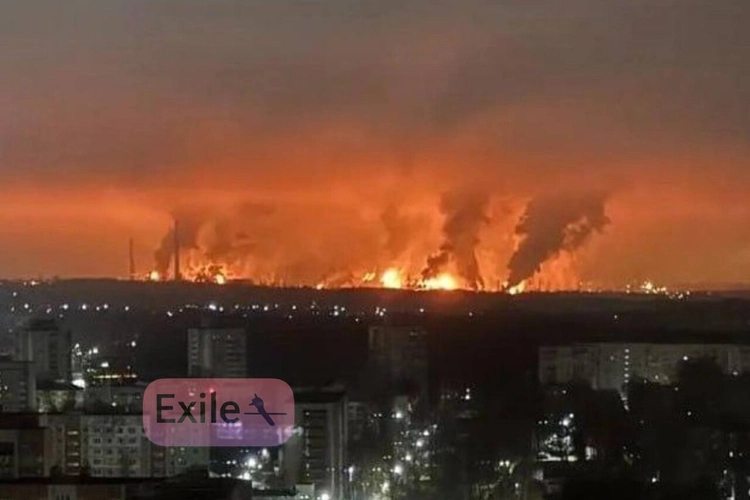
Yevraev confirmed damage to the refinery’s infrastructure. According to the governor, debris from the downed drones shattered windows in several apartment buildings and private homes and damaged cars. During the attack, authorities temporarily blocked the exit from Yaroslavl toward Moscow on Highway M-8. Traffic was subsequently restored.
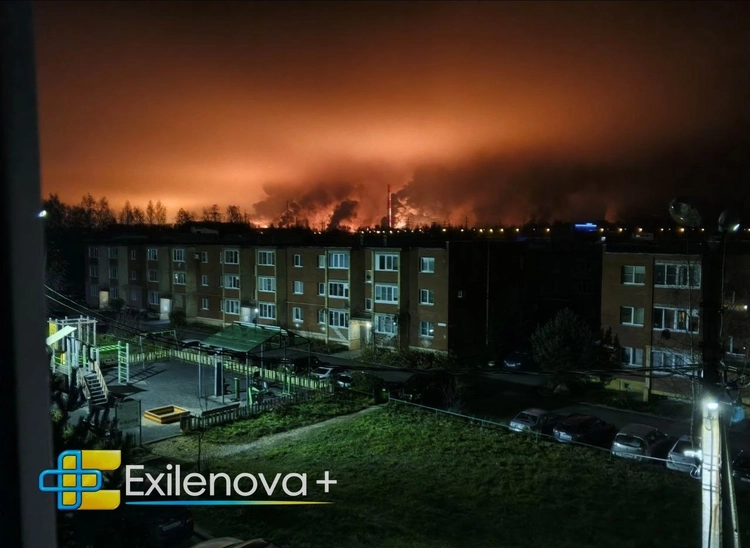
According to the governor, the current attack was on a larger scale than previous ones. During the raid on August 6, Russian authorities reported shooting down 93 drones; on September 17, they reported 65. The number of drones Yevraev reported today exceeds the August figure by one-third. There is no independent confirmation of these figures.
As of August 28, there had been at least eight fires at the Yaroslavl Oil Refinery following drone attacks since the beginning of the year. The facility caught fire on March 28, April 26, May 8 and 22, July 6 and 16, and August 6 and 28. Another fire occurred on September 17. This latest incident marks at least the tenth such event in 2026.
The September attack led to a complete halt in oil refining at YANOS, Reuters reported, citing four industry sources. At that time, the AVT-3 primary oil refining unit, with a capacity of 17,100 metric tons per day—which accounted for about 40% of the plant’s production capacity—was damaged. Another unit, AVT-4, with a capacity of 14,300 metric tons per day—which accounted for another 33% of the plant’s capacity—was already undergoing repairs following the August 28 strike. The damage affected equipment that collectively accounted for about 73% of the refinery’s primary processing capacity.
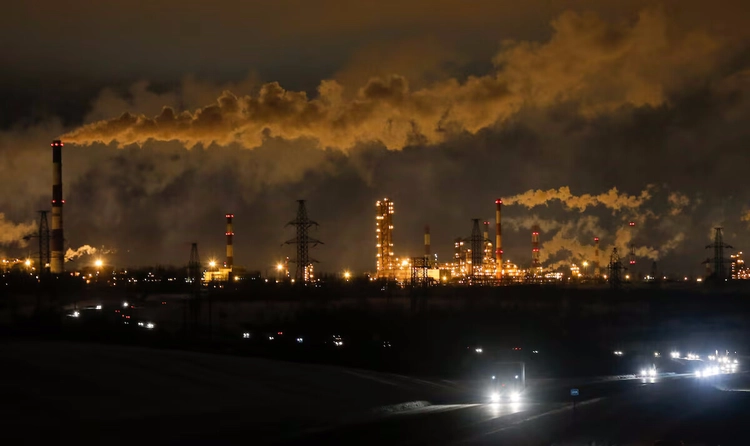
“Slavneft-YANOS” is one of the five largest oil refineries in Russia. Its installed capacity is 15 million metric tons of crude oil per year, according to company data. The refinery produces gasoline, diesel fuel, jet fuel, lubricants, and other petroleum products. It is owned by Slavneft, which is equally controlled by Rosneft and Gazprom Neft.
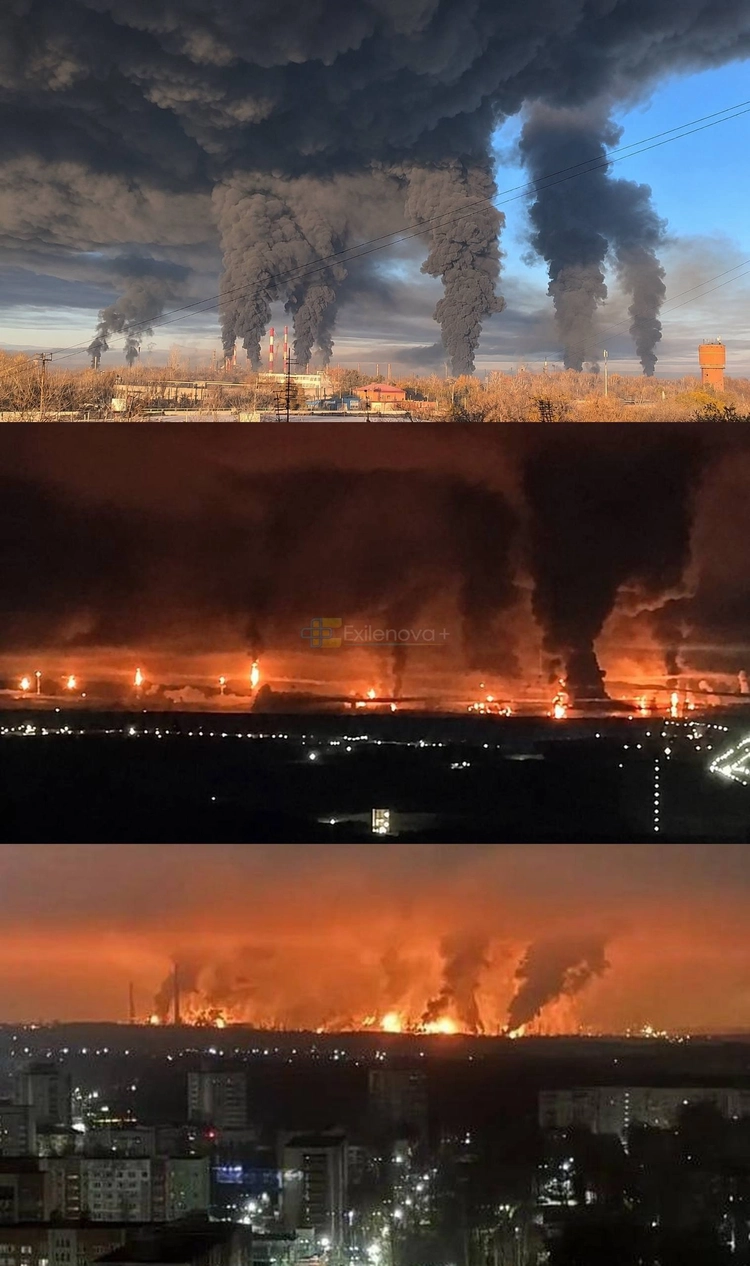
No information has yet been released regarding the extent of the damage following the November 3 attack or the potential impact of the fire on oil refining. The facility itself has not publicly commented on the consequences of the latest strike.
For the fifth consecutive night, drones have been striking Russian oil infrastructure following a lull in mid-October. The series began on October 30 with a strike on the Novokuybyshevsk refinery in the Samara Region. On October 31, a fire broke out following an attack in an industrial zone in Ufa, where Bashneft’s plants are located. On November 1, drones attacked Kstovo in the Nizhny Novgorod Region, home to the Lukoil-Nizhegorodnefteorgsintez refinery. On November 2, Transneft’s “Samara” linear production and dispatch station was struck. The Insider confirmed the fire at the station using data from NASA’s FIRMS satellite system. Following this attack, Kazakhstan temporarily halted oil transportation via the Atyrau–Samara pipeline.

Bank's name: Bank Millennium S.A.
Address: ul. Stanislawa Zaryna, 2A, 02-593, Warszawa
IBAN: PL97116022020000000216711123
SWIFT: BIGBPLPW
Name of the account holder: Fundacja “KARTA ‘97”
Purpose/title of payment: Donation for statuary aims
You can contact us by the e-mail charter97@gmail.com