


A Mass Farewell Ceremony For Ali Khamenei Has Begun In Iran
- 4.07.2026, 20:16
- 1,274
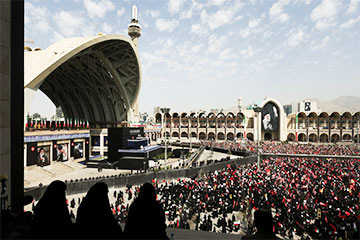
The ceremony will last six days.
A six-day funeral has begun in Iran for former Supreme Leader Ali Khamenei, who was killed on February 28 during the first U.S. and Israeli airstrikes after 37 years in power. This was reported by CNN.
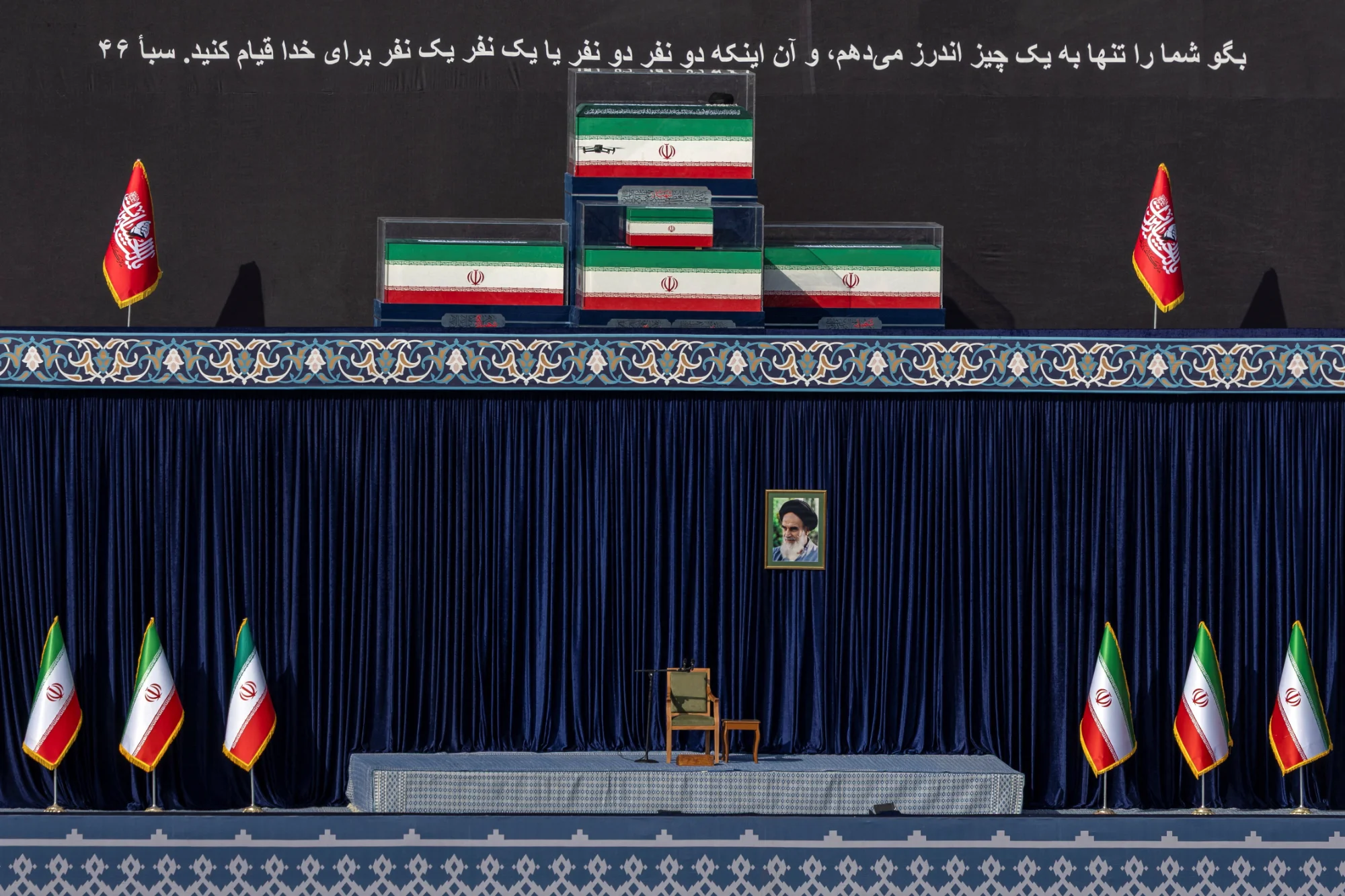
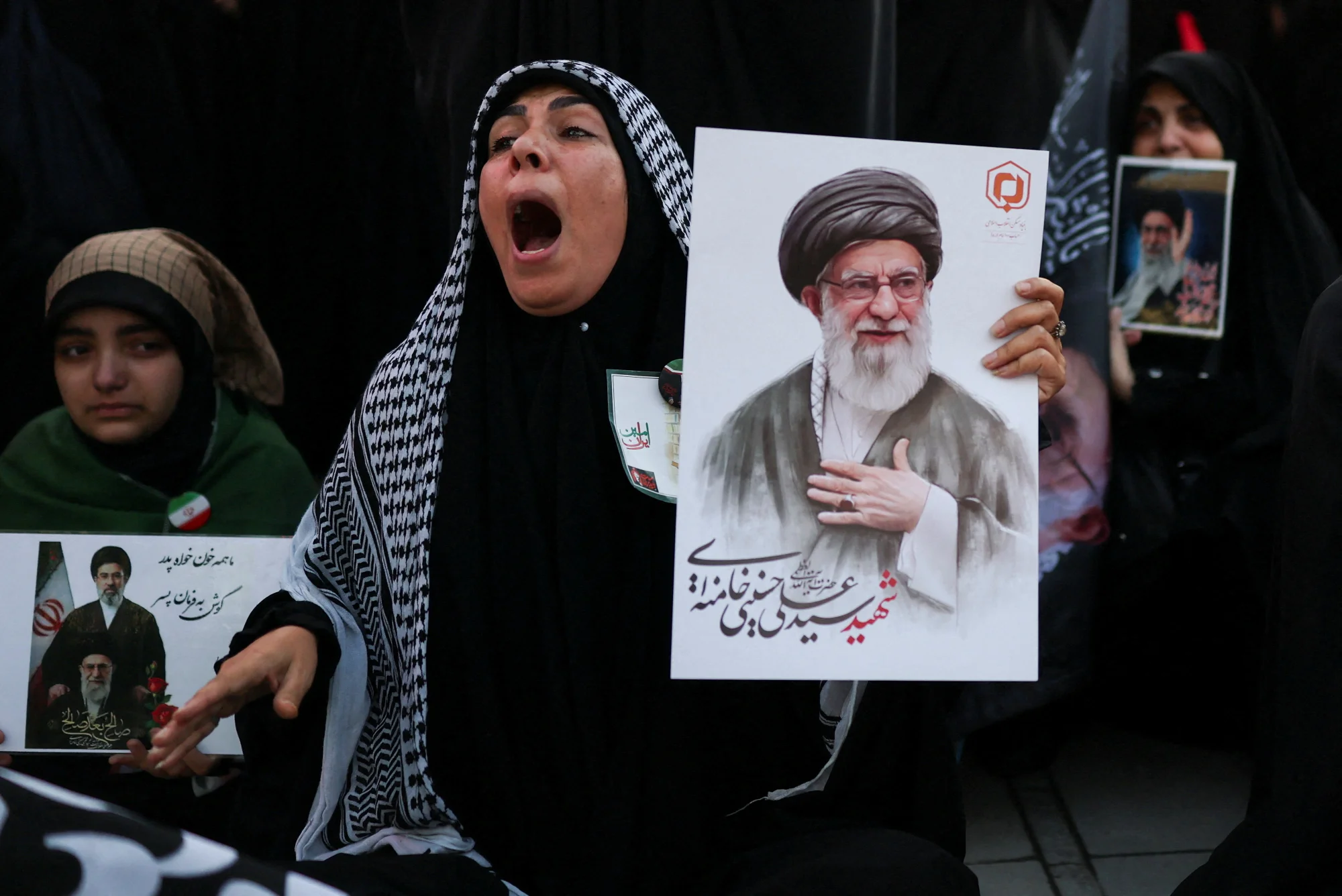
Tens of thousands of Iranians “beat their chests and chanted slogans” in memory of Ali Khamenei, the network reports. Many arrived before dawn to see the five coffins at the vast Mosalla Mosque complex in Tehran, where the remains of the slain ayatollah and his relatives—who died as a result of U.S. and Israeli strikes—are being held.
“The atmosphere was somber, and tears streamed down the faces of many. Among Shia Muslims, religious beliefs are often expressed very emotionally, but the loss of the only head of state whom many Iranians knew gave this day added significance,” according to a CNN report.
On the walls separating the men’s and women’s sections, journalists noticed slogans opposing a deal with the U.S., specifically, “No negotiations with Satan.” Some mourners chanted “Our word is one! Revenge! Revenge!” and “Death to the U.S.,” the AP reports. The agency also notes that the start of the funeral ceremony coincided with the 250th anniversary of the founding of the United States.
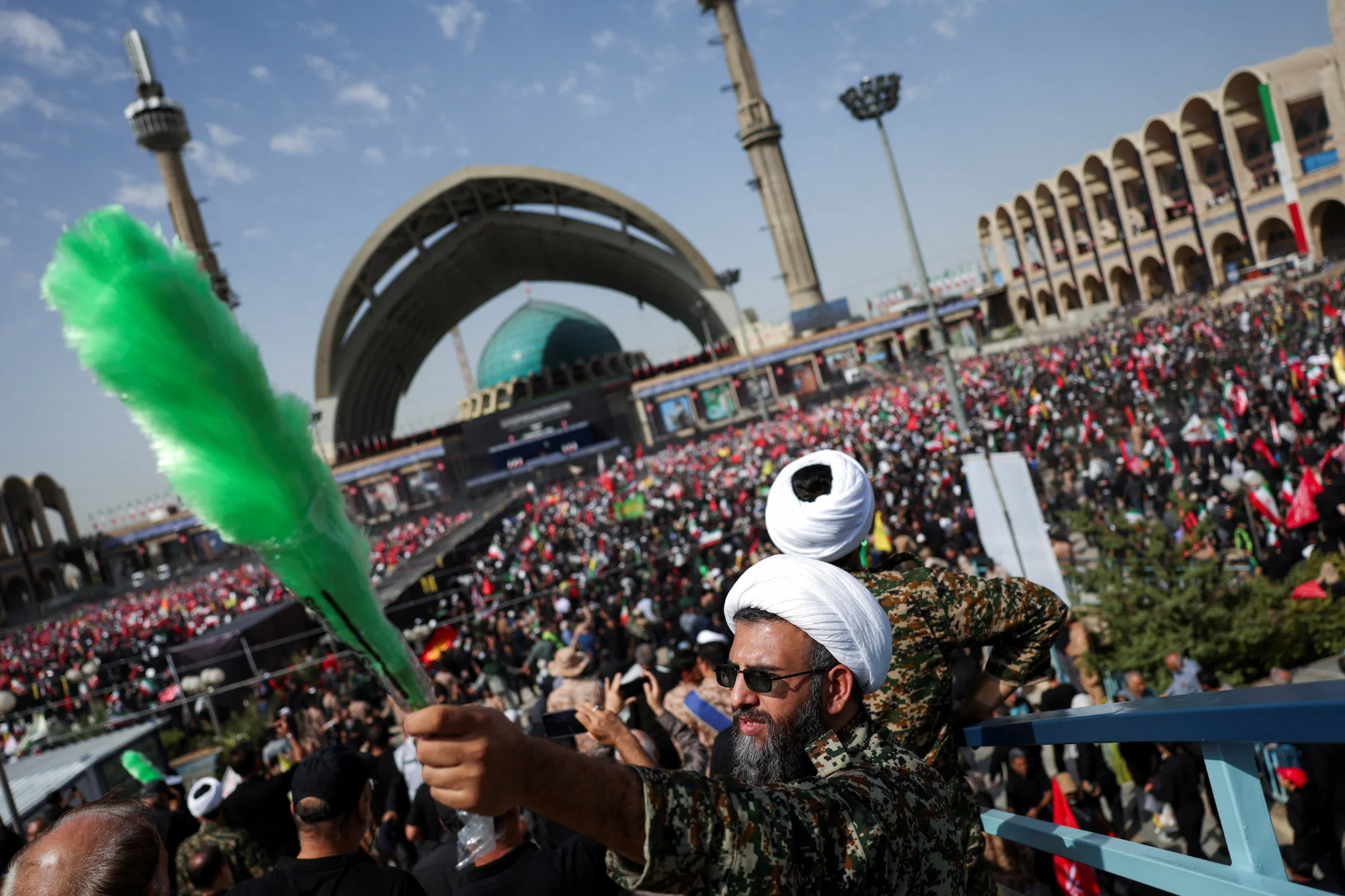
“Imam Khamenei was our heart, our father, our everything. I still can’t believe they killed him. We won’t rest until we avenge his death,” said one of the mourners, Masoumeh Mohammadi.
A mist of water was sprayed over the crowd of people, dressed mostly in black, as temperatures reached 36 °C, according to a Guardian correspondent.
A Reuters broadcast showed hundreds of people marching through car-free streets, carrying bouquets of white flowers, banners, and flags. Billboards featuring Khamenei’s image are displayed throughout Tehran.
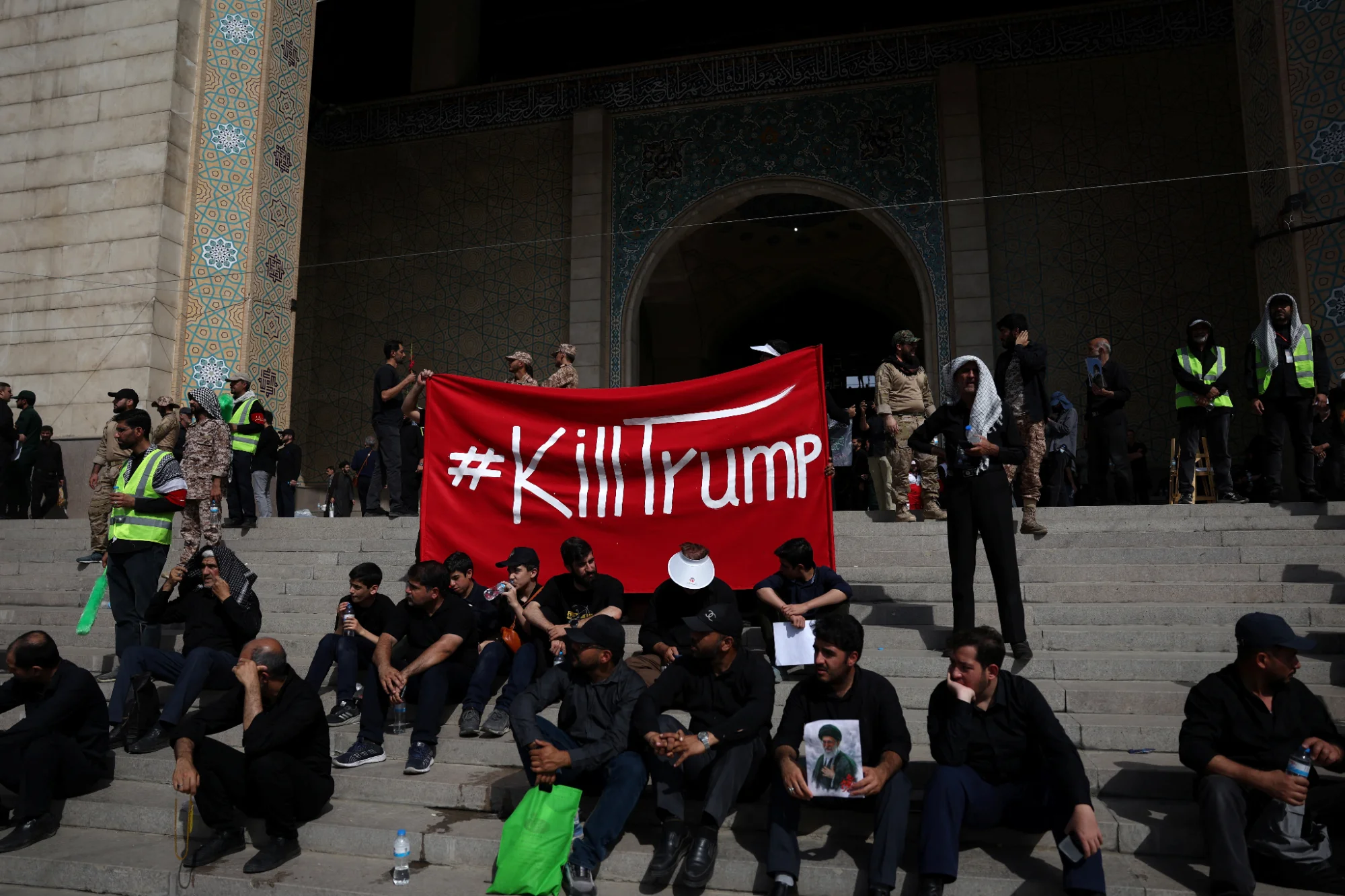
Ahead of the funeral, Iran suspended indirect talks with the U.S. on ending the war and warned the U.S. and Israel against “rash moves” during the ceremony. U.S. President Donald Trump stated that Washington is giving Iran “a week off for the funeral because we are good people.” Millions of Iranians and several high-ranking foreign officials are expected to attend the ceremony. Iran announced a complete closure of the airspace over Tehran starting July 6.
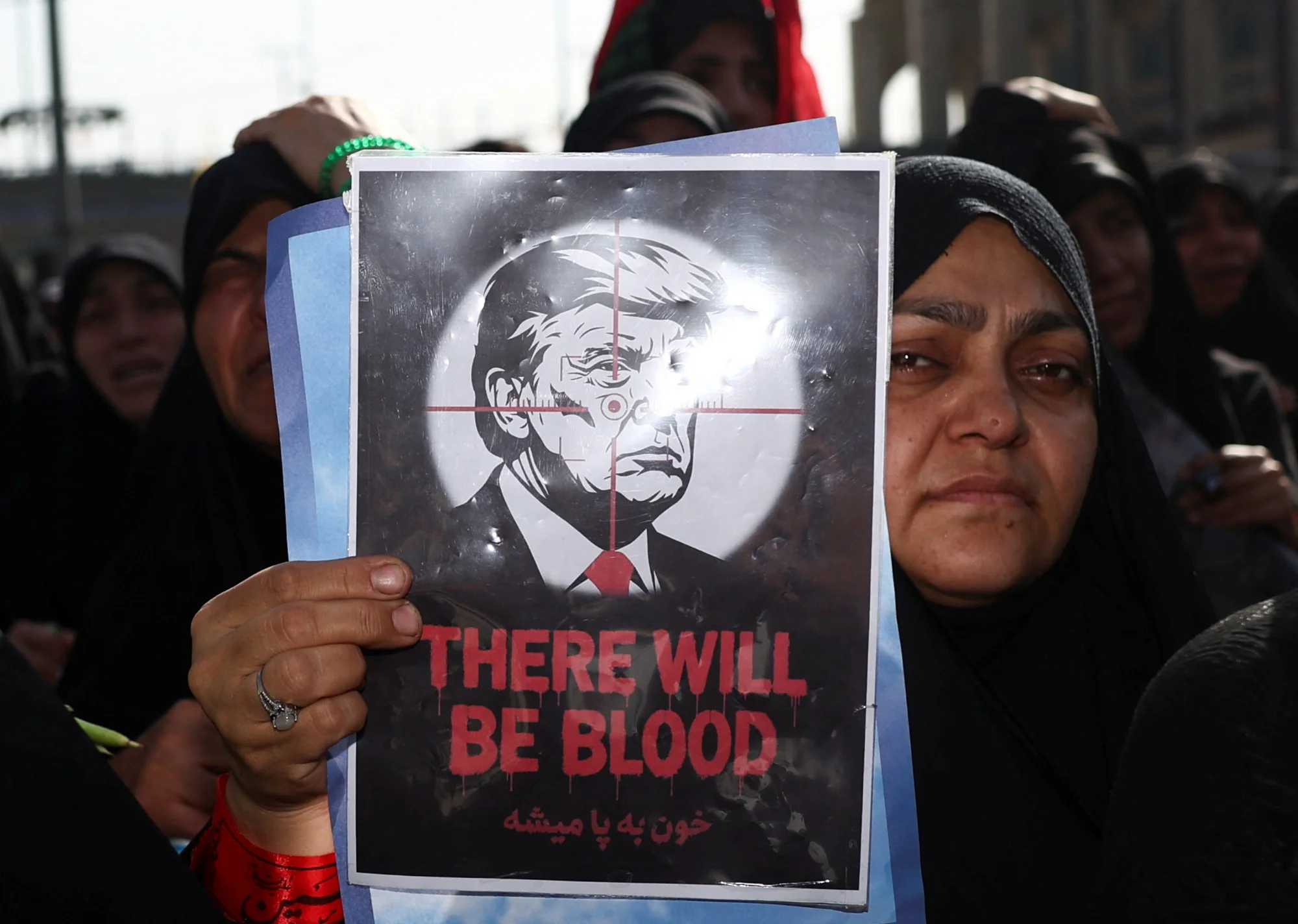
Among those who have arrived for Khamenei’s funeral are representatives from Iraq, Pakistan, and Turkey. It is not yet known whether the son of the slain Ayatollah, the new Ayatollah Mojtaba Khamenei, will attend the ceremony. He is believed to have been seriously wounded during the U.S. and Israeli attacks, in which his mother and wife were also killed. Mojtaba Khamenei has not yet appeared in public and has communicated with his supporters through written statements.
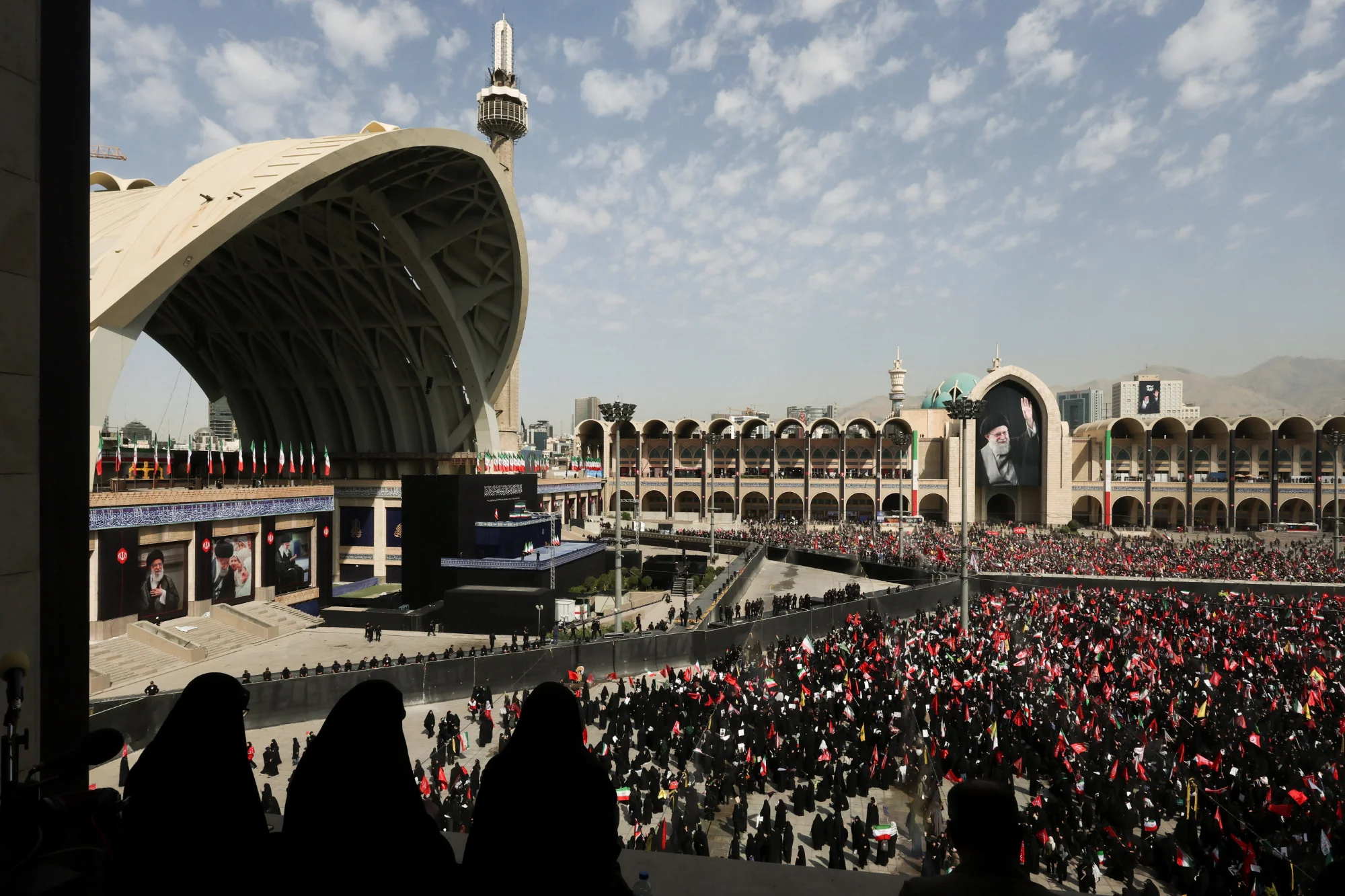
A memorial prayer for the deceased is scheduled for Sunday at the Mosalla Mosque. On Monday, the coffins of Khamenei and his family members will be carried through the streets of Tehran. The body of the slain ayatollah will also be transported to cities in Iran and neighboring Iraq, and the farewell will conclude on Thursday with a funeral at the Imam Reza mausoleum in Mashhad, Khamenei’s hometown.
Reuters notes that in Islam, funerals must be held within 24 hours of death, but due to the risks of wartime, they were postponed until a temporary ceasefire agreement was reached in May.
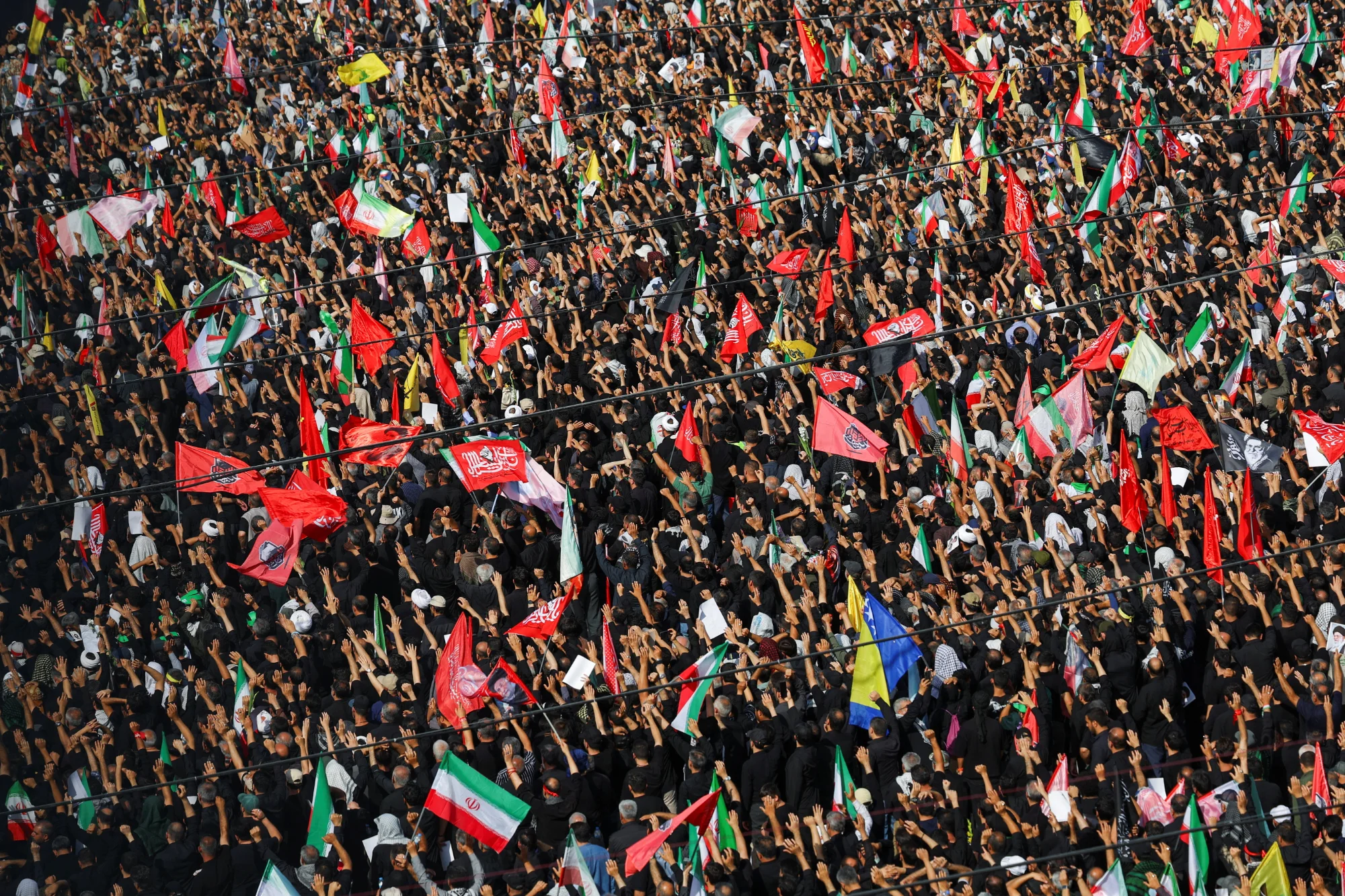
“In Iran’s theocratic system, Khamenei was not only the head of state and leader of the revolutionary movement, but also the earthly representative of the last Imam of Shia Islam, a holy figure who disappeared in the 9th century. His death during an enemy attack fits into a long tradition of martyrdom and ritual mourning, dating back to the 7th-century battle in which Hussein, the grandson of the Prophet Muhammad, was killed—an event that divided Islam into Shia and Sunni branches,” writes Reuters.
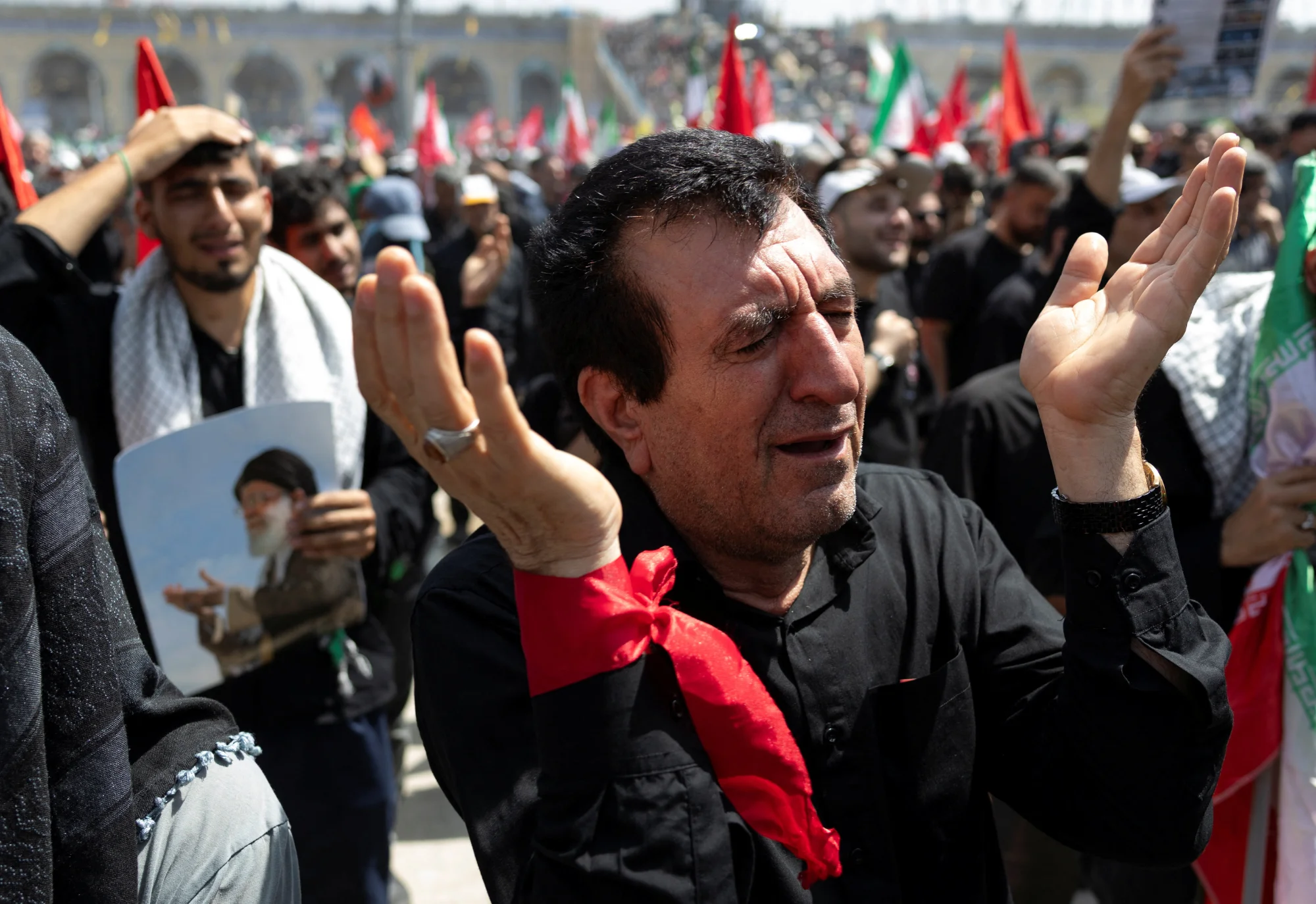
On March 2, the BBC reported that the U.S. and Israel carried out an operation to eliminate Ayatollah Ali Khamenei a few hours after receiving intelligence about a meeting of high-ranking Iranian officials on the morning of February 28 in central Tehran. The massive strikes, involving dozens of missiles, lasted about a minute.
The Financial Times reported that Khamenei’s assassination was preceded by years of preparation, during which Israel gathered intelligence on its enemies.
FT sources stated that Israel had hacked into nearly all of Tehran’s traffic surveillance cameras many years ago as part of a large-scale intelligence campaign.

Bank's name: Bank Millennium S.A.
Address: ul. Stanislawa Zaryna, 2A, 02-593, Warszawa
IBAN: PL97116022020000000216711123
SWIFT: BIGBPLPW
Name of the account holder: Fundacja “KARTA ‘97”
Purpose/title of payment: Donation for statuary aims
You can contact us by the e-mail charter97@gmail.com