


Experts Explained How To Prepare A Phone For Inspection At The Belarusian Border
6- 1.09.2026, 17:14
- 3,372
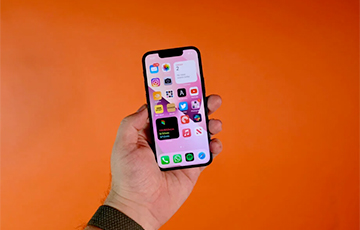
Even a new phone isn't a guarantee of security.
Many Belarusians returning to the country from abroad are prepared for questioning and searches at the border. However, some of them are caught off guard by the phone searches frequently conducted by security service officers. They look, for example, for likes and comments from 2020. Journalists from the publication MOST asked experts from the Cyberbeaver initiative what steps to take with your phone before traveling, which social media platforms are scrutinized most closely, and why even a new phone is no guarantee of safety.
— Which social media platforms and messaging apps are currently subject to the most thorough checks at the border?
— When preparing for a check, you should assume that they may look at Telegram, Facebook, Instagram, Viber, WhatsApp, and other messaging apps, as well as email, YouTube, search history, iCloud, the photo gallery, deleted files, notes, calls, and text messages.
— How does this inspection work technically: do law enforcement officers manually go through the phone, or do they use special software to quickly analyze the content?
— It’s hard to say for sure: both a standard manual review and technical analysis of the device are possible. We do not know the full list of tools used during such inspections.
“It’s better to start a major cleanup early”
— Some people crossing the border say that when inspecting their phones, security forces focused on a specific time period—for example, activity on an Instagram account on August 16, 2020: what was liked and what was commented on. How can you check your activity and remove all traces of it?
— On Instagram, in the “Your Activity” section, you can view likes, comments, and other actions, select a specific date or period, and delete activity from the relevant posts. You don’t need third-party services for this. However, Instagram limits the number of actions you can delete at once, so it’s best to start a major cleanup early.
— Can law enforcement agencies recover deleted chats or channels that a person has already unsubscribed from or blocked on Telegram?
— There have been cases where messages that had already been deleted were discovered during a routine export of Telegram data to the desktop version. For greater reliability, it’s worth clearing Telegram’s cache and data on your devices; if the risk is high, the most reliable option is to delete your account. But if law enforcement agencies are using special tools, it’s hard to guarantee anything here: even if we know what capabilities they have today, we don’t know what they’ll have tomorrow.
— Threads — a relatively new social network. Have law enforcement agencies already learned how to monitor it, or is it still a less risky platform?
— Threads is a Meta service, so you should approach managing it the same way you would other Meta services: by checking posts, comments, likes, and other activity. You shouldn’t count on the fact that, because Threads is relatively new, it’s less accessible for review.
— Can chat histories be recovered in messaging apps—WhatsApp, Viber, Signal? Or view deleted photos, videos, and files?
— If you have physical access to the phone, you need to consider not only the chat history itself but also the cache, saved files, backups, and data on other devices. We generally consider Viber to be an insecure service and cannot guarantee the confidentiality of its data.
“Log out of sensitive accounts”
— In short, what should you do with your phone before a trip?
— Check your messaging apps and social media accounts, delete sensitive chats and files, check your photo gallery and trash, email, notes, search history, iCloud, and backups, as well as your list of apps. If the risk is high, the most reliable option is to save the necessary data in a secure location, log out of sensitive accounts, and reset the phone to factory settings.
— Does it make sense to temporarily deactivate accounts before a trip? How effective is this against scrutiny?
— Yes, deactivating accounts generally reduces the risk, but it’s not the same as deleting them and doesn’t guarantee that the information will disappear. Additionally, there’s still a risk of being forced to restore access to an account—here, a lot depends on human factors and the specific situation.
“It’s wise to use a separate device for travel”
What about cloud services (iCloud)? Can law enforcement recover deleted data through them if they gain access to the phone?
— Data deleted from the phone may remain in iCloud or a backup, so you need to check not only the device but also the cloud: iCloud, deleted photos and files, and backups. That said, we can neither confirm nor deny that law enforcement will gain access to a backup or be able to recover specific deleted data from it.
— Why does a completely new or “clean” phone—with no accounts, apps, or history—in itself raise suspicions among law enforcement?
— It cannot be said that such a phone will necessarily raise suspicion, but a completely empty device may attract additional attention and raise questions about why it lacks the usual data and accounts.
— What should remain on the phone so that it looks natural and doesn’t attract attention, while still not containing any risky information? Maybe it makes sense to have a separate “clean” phone specifically for travel, with a minimal but plausible set of apps and usage history?
— If your main phone contains sensitive information, it’s wise to use a separate device for travel. It doesn’t have to be completely empty: you can keep a standard set of neutral apps, photos, movies, books, and other safe data, but without sensitive information or potentially problematic accounts.

Bank's name: Bank Millennium S.A.
Address: ul. Stanislawa Zaryna, 2A, 02-593, Warszawa
IBAN: PL97116022020000000216711123
SWIFT: BIGBPLPW
Name of the account holder: Fundacja “KARTA ‘97”
Purpose/title of payment: Donation for statuary aims
You can contact us by the e-mail charter97@gmail.com